Weyland Mckenzie-Witter
Adventures in Archives : Notes on Access, Acesss and access
I am a multidisciplinary Audio Artist, Creative producer, writer, and archivist in training from Stoke Newington, London. I am currently working as the Assistant Archivist at 198 Contemporary Arts & Learning.
I've worked as a producer on podcasts for the BBC and Spotify, Somerset House and I've produced radio on radio stations like BBC 1Xtra NTS and No Signal.
I have also produced music and sound design for international Ad campaigns for Just Eat, PGA Tou, Absolut vodka, Spotify, and more.
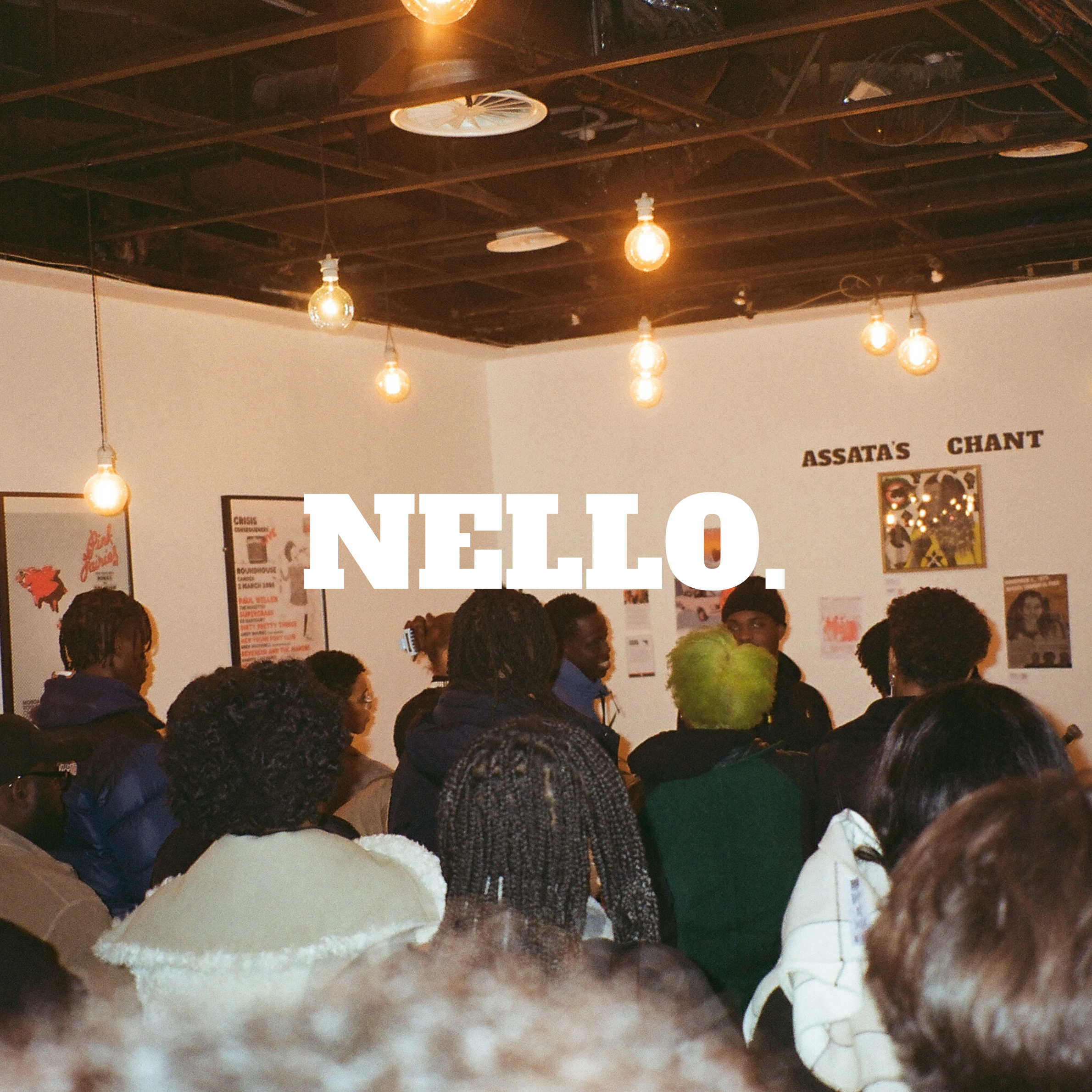
I am also the founder of the award-nominated NELLO. Through Nello, I have produced various audio productions for The British Library, Tower Hamlets Archive, The National Maritime Museum, South London Gallery, The Stephen Lawrence Research Centre and more.
Nello sits at the intersection of heritage, CULTURAL production, and digital humanities.
Nello’s work focuses on creating digital humanities projects, archival collections, creative productions, exhibitions, workshops, and more.
“My audio practice involves a multidisciplinary layering of archival exploration,
digital humanities, oral history, storytelling, audio production, and exhibitions as
a means of analysing and interrogating history to make sense of the modern
world around us. While developing this intuitive practice, I became particularly
interested in the interplay of pedagogy, oral history, archival activation, and audio
production. At the core of my practice is an exploration of this interplay through
exhibitions, archival workshops, and collaborative production with young people
and those in academic fields.“
McKenzie-Witter, W., (2024) “Beyond The Broadcast: Nello and The People’s Method”, RadioDoc Review 9(2). doi: https://doi.org/10.14453/rdr.1499
3. Institutions holding archives adopt a pro-active approach to access.
Archivists have a professional responsibility to promote access to archives. They communicate
information about archives through various means such as Internet and web-based publications,
printed materials, public programs, commercial media and educational and outreach activities. They
are continually alert to changing technologies of communication and use those that are available and
practical to promote the knowledge of archives. Archivists cooperate with other archives and
institutions in preparing location registers, guides, archival portals and gateways to assist users in
locating archives. They proactively provide access to the parts of their holdings that are of wide
interest to the public through print publication, digitization, postings on the institution’s website, or by
cooperation with external publication projects. Archivists consider user needs when determining how
the archives are published.
Principles of Access to Archives, ICA, Adopted by the AGM on August 24, 2012
Finding aid: The broadest term to cover any description or means of reference made or received by an archives service in the course of establishing administrative or intellectual control over archival material. [Source: General International Standard Archival Description, 2nd Edition]
Access 1: Who should have access to this?

Access 2: What can I do with my access?
Access 3: Who gave me access?
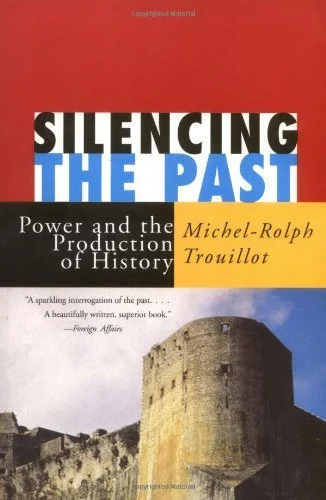
“The concept of historical silences is commonly attributed to Haitian historian and anthropologist Michel-Rolph Trouillot in his 1995 book Silencing the Past. The concept refers to the power and politics surrounding gaps or silences in the historical record. As a result, the perspectives, concerns and narratives of those dominated by the imperial powers are left out of recorded history, leaving gaps or silences.” McKenzie-Witter, W., (2024)
“Gaps in the archive” or “archival silences” are a reflection of these larger historical silences
Likkle Theory
Likkle More
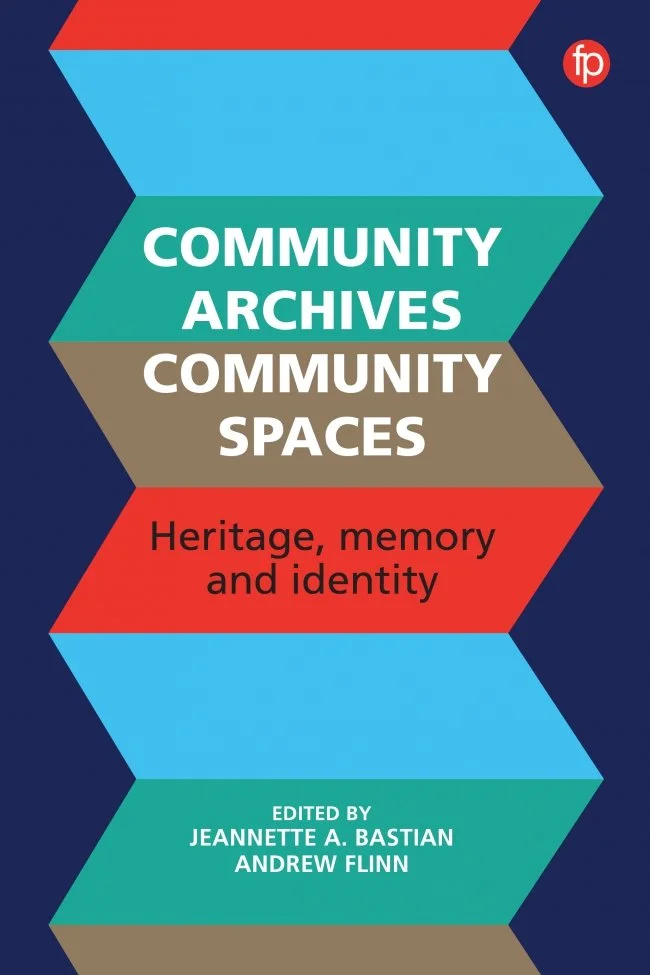
“Archival optimism is the notion that we engage collectively in archival work because we have a sense of confidence in a future that will recognise the shared heritage that we build“ - Rebecka Taves Sheffield, Archival Optimism, or, How to Sustain a Community Archives (Chapter 1), "Community Archives, Community Spaces"(2020)
“In an era where we increasingly rely on virtual space; it becomes especially important to create physical spaces where people can sit and talk together face to face”. - Désirée Rochat, Maison d’Haïti’s Collaborative Archives Project: Archiving a Community of Records (Chapter 7) "Community Archives, Community Spaces"(2020)
If it can’t be used then…
In a world where misinformation and artificial creations are so abundant, authentic records hold existential importance. As a result, Archivists must show their utility now more than ever.
Assata’s Chant and Other Histories(2020-)
Special Archive collection:
Access Points: Exhibitions, School workshops + Podcast series
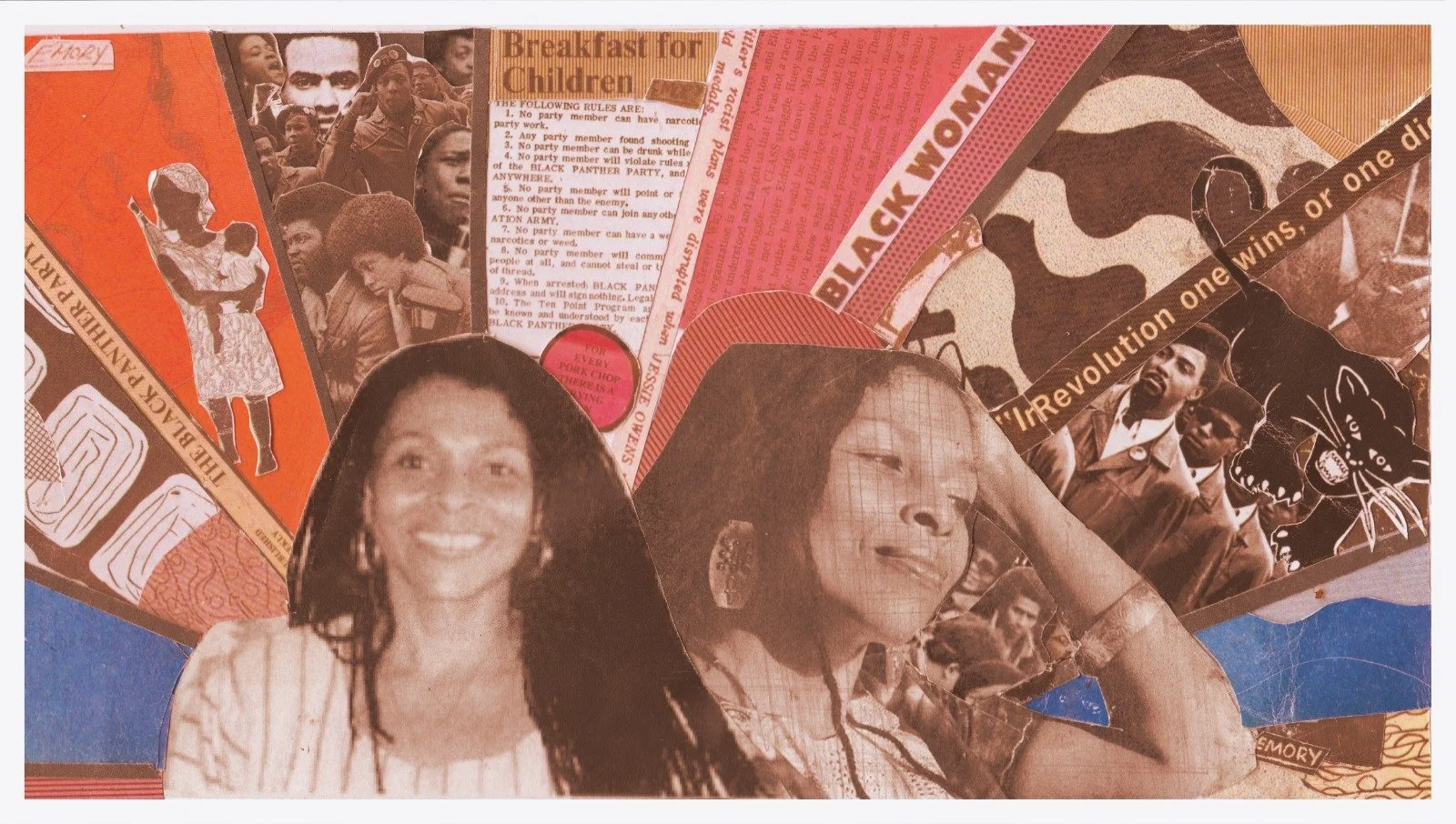
ASSATA’S CHANT AND OTHER HISTORIES IS A MULTIMEDIA ARCHIVE PROJECT CONSISTING OF AN AWARD NOMINATED AUDIO SERIES, EXHIBITIONS AND WORKSHOPS.
This project fuses visual art, interviews, readings, immersive storytelling, music and sound design to tell an anthology of histories from the Black liberation movement with particular focus on Assata Shakur but including the likes of Altheia Jones Lecointe, Fred Hampton, Mutulu Shakur and Sundiata Acoli and more
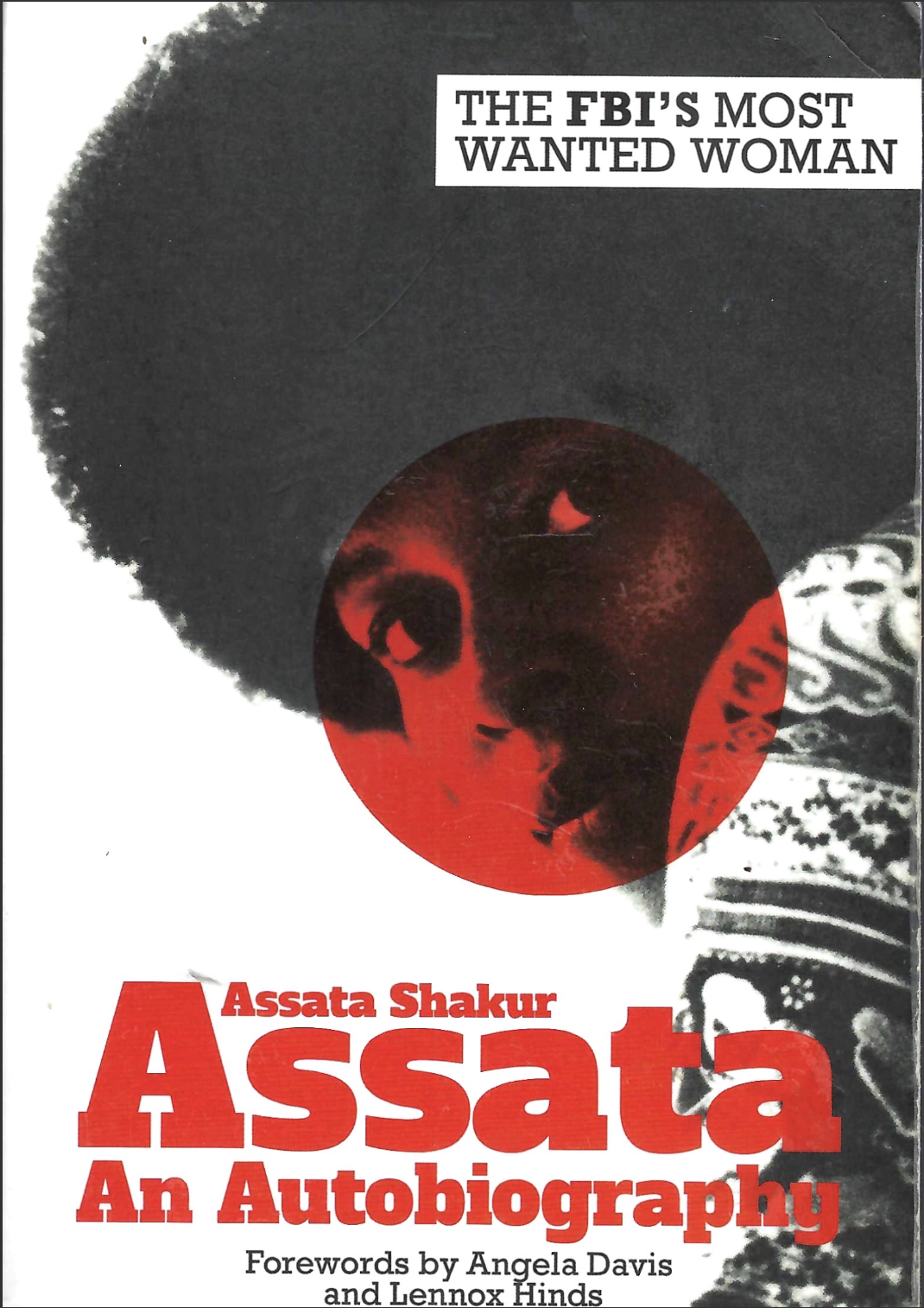
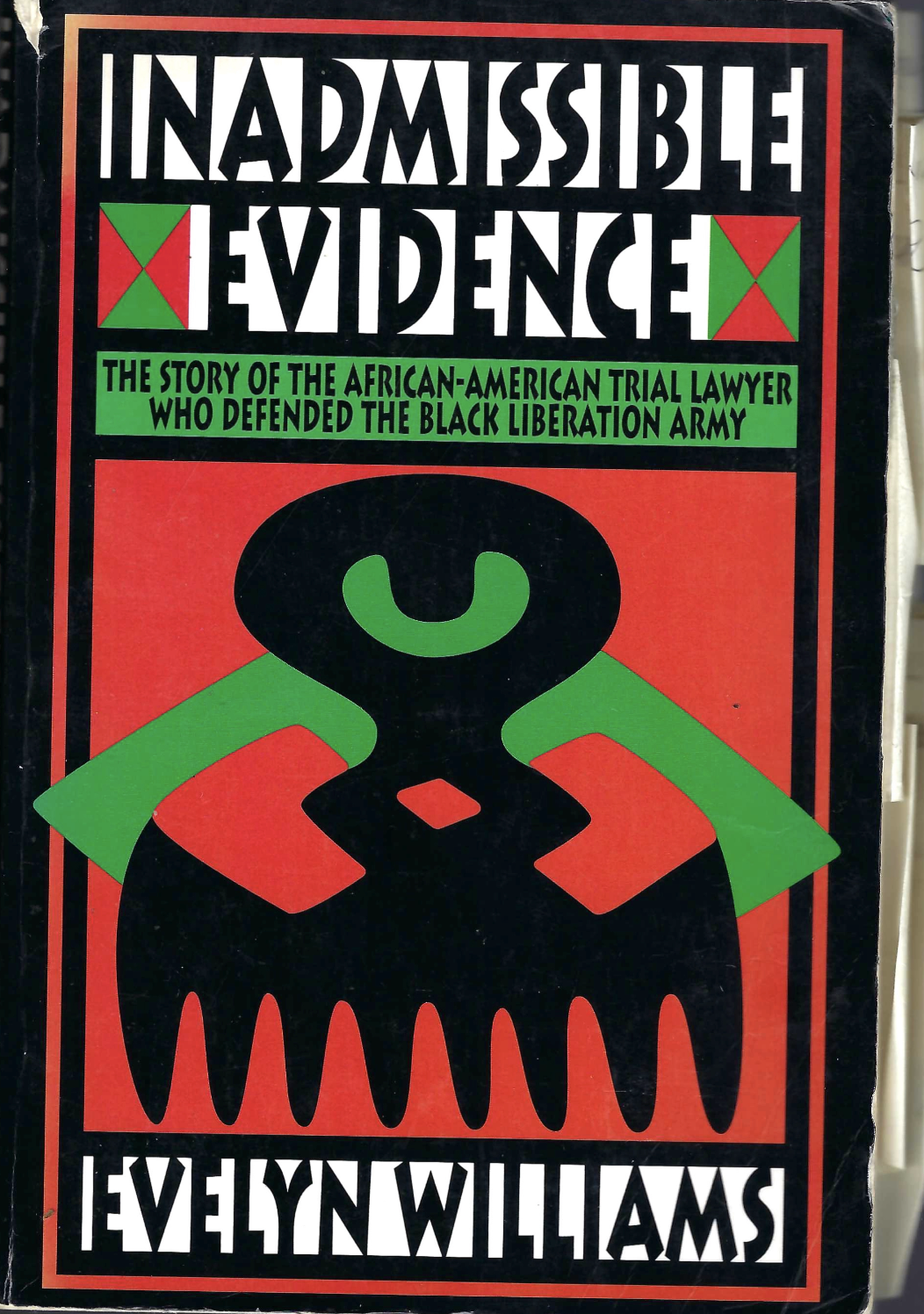
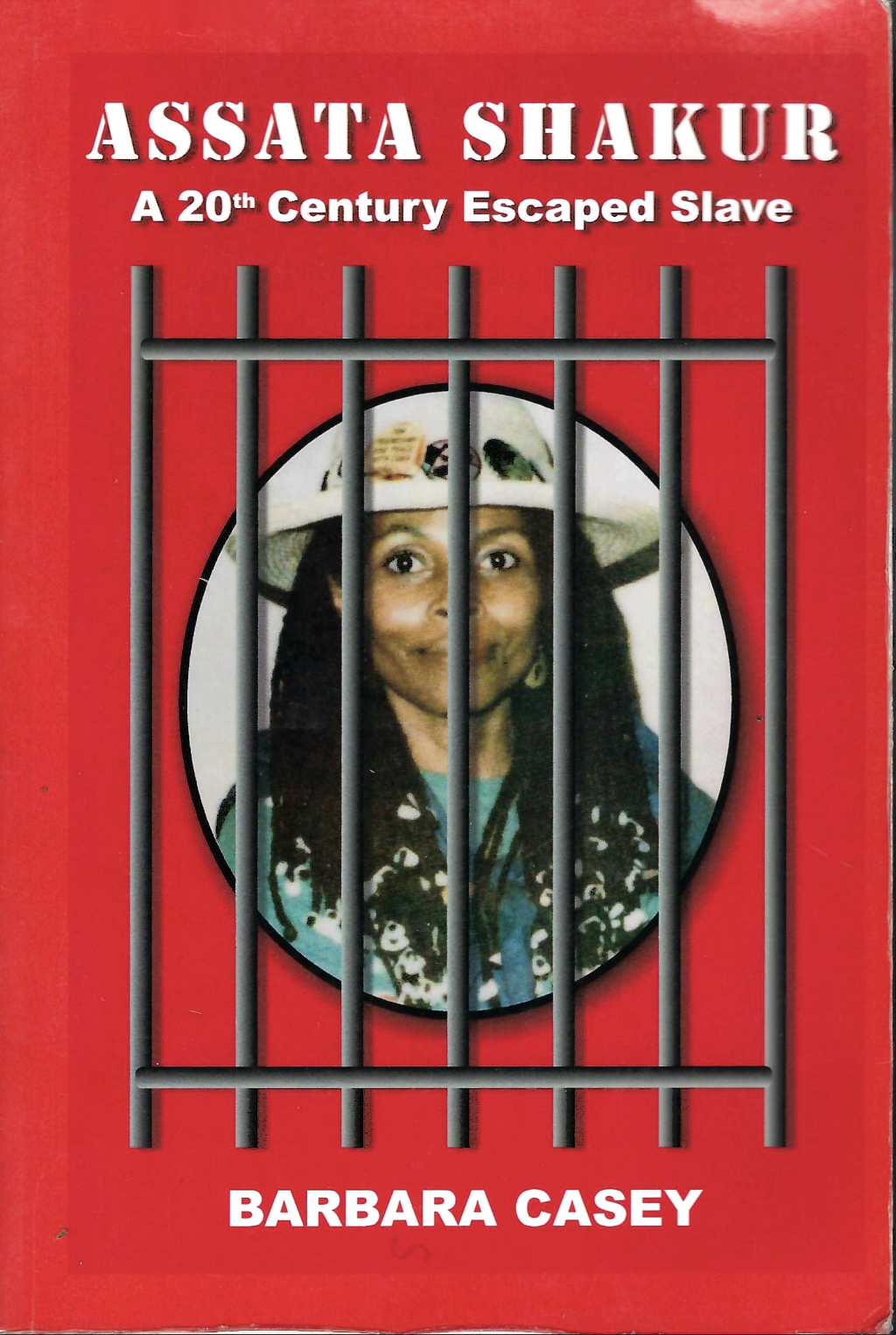
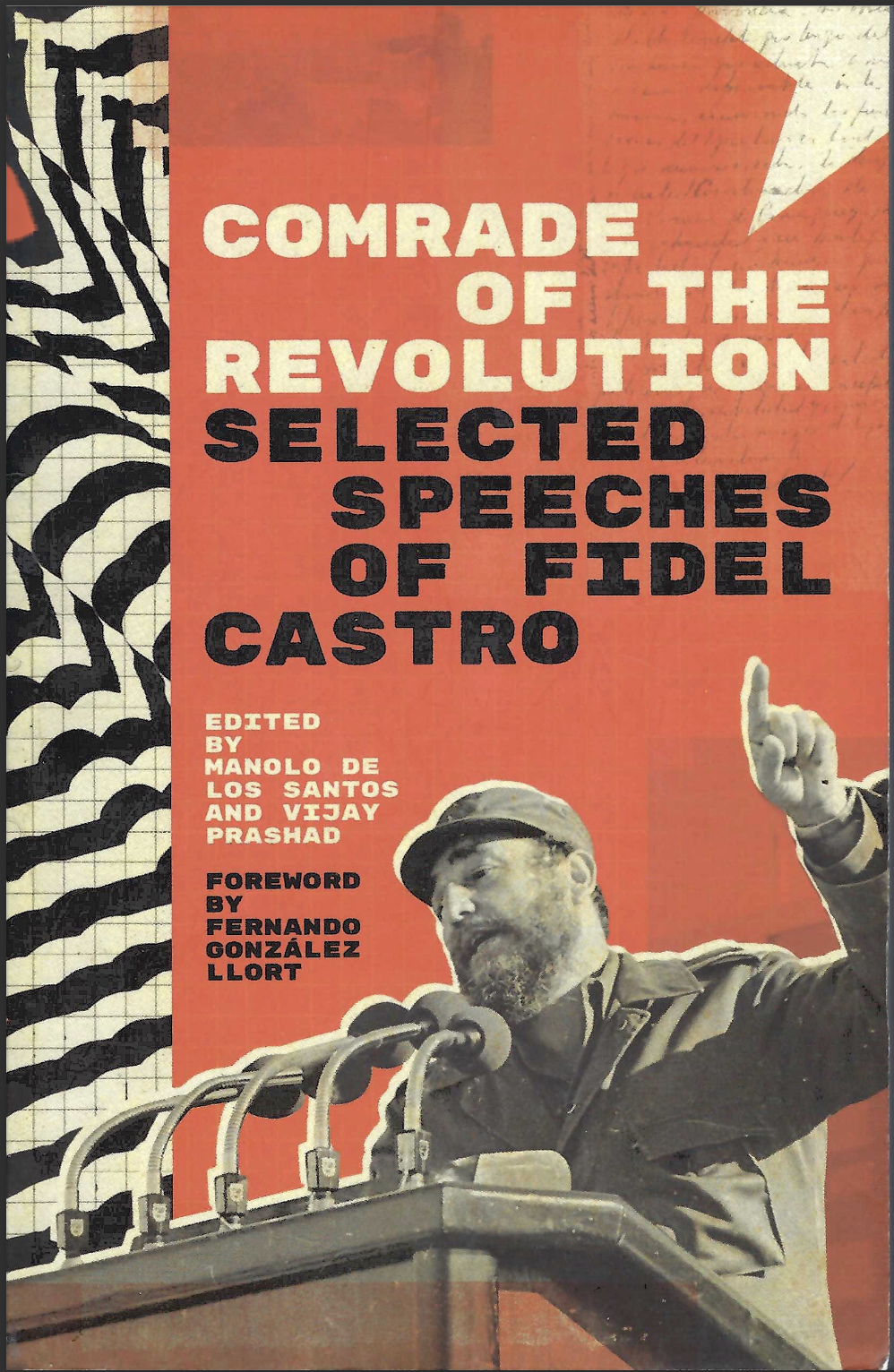
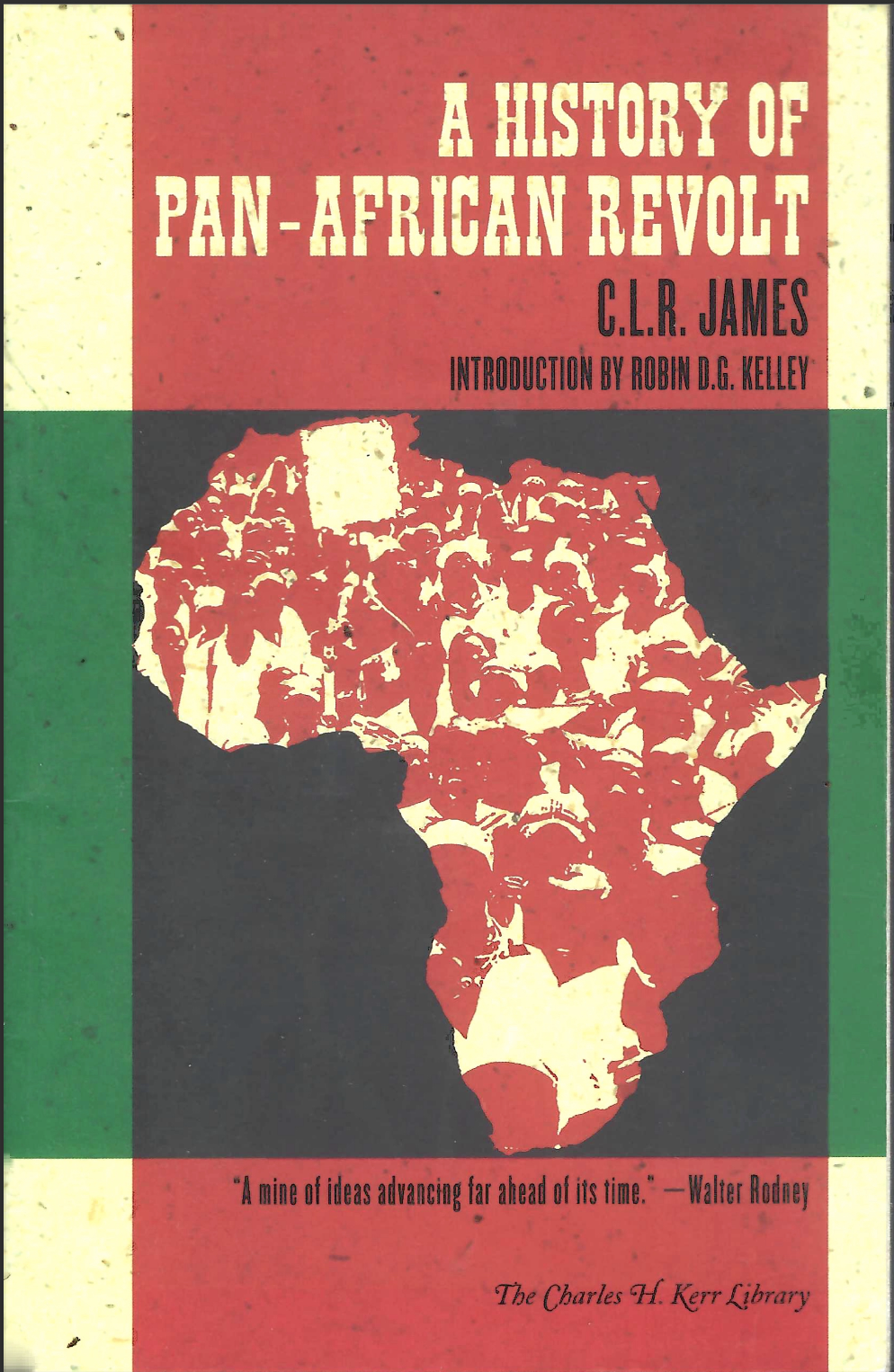
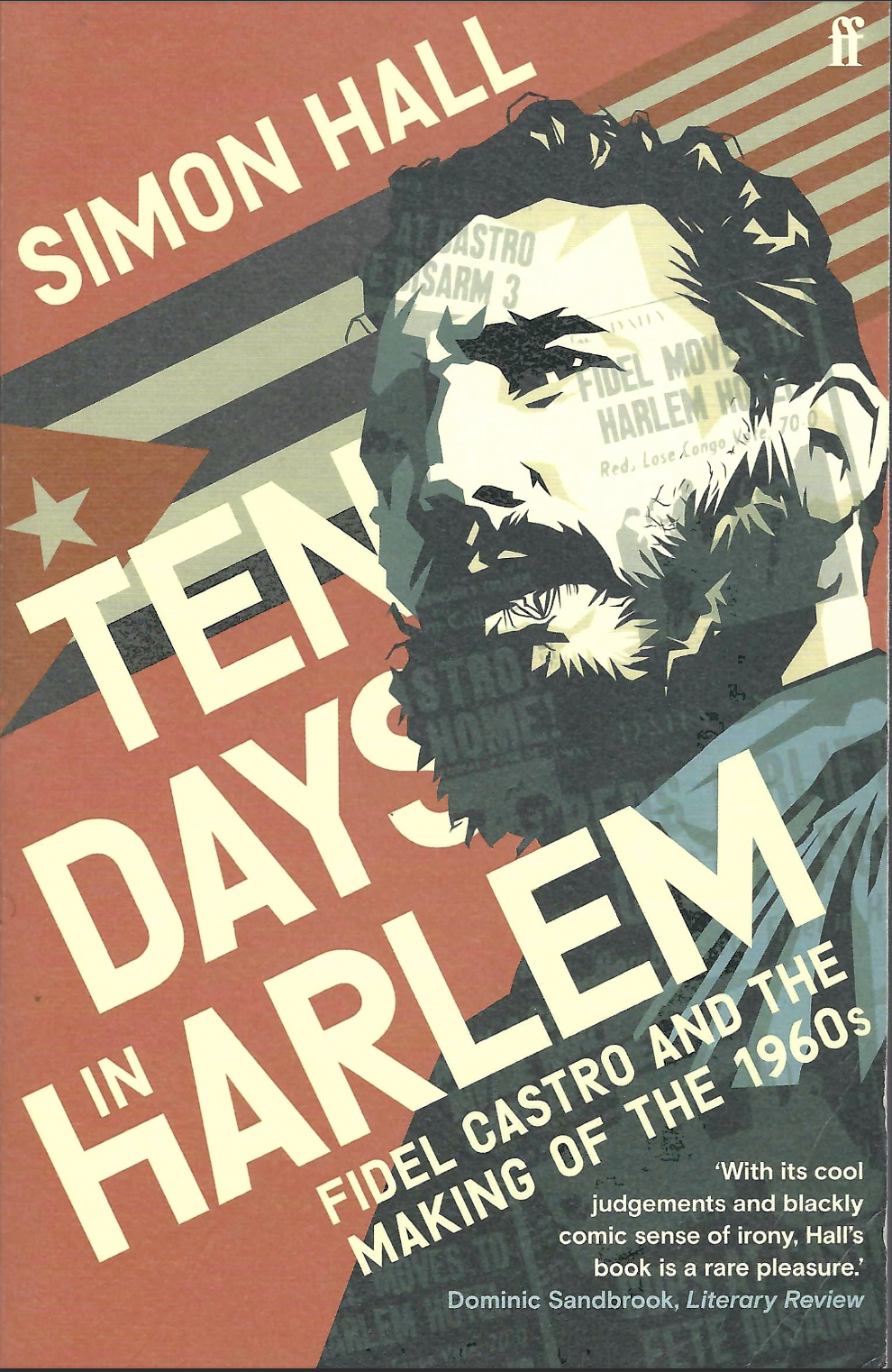
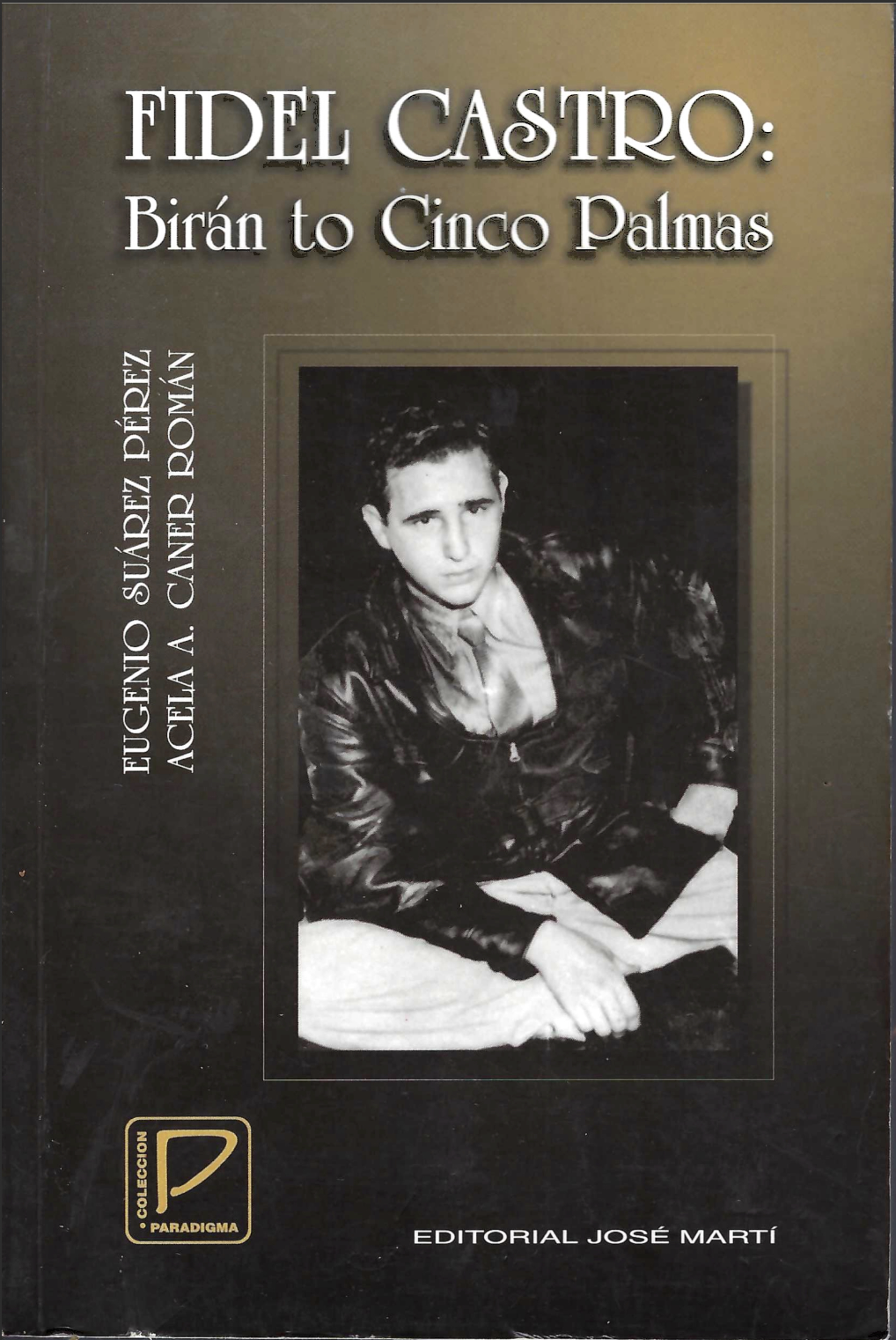
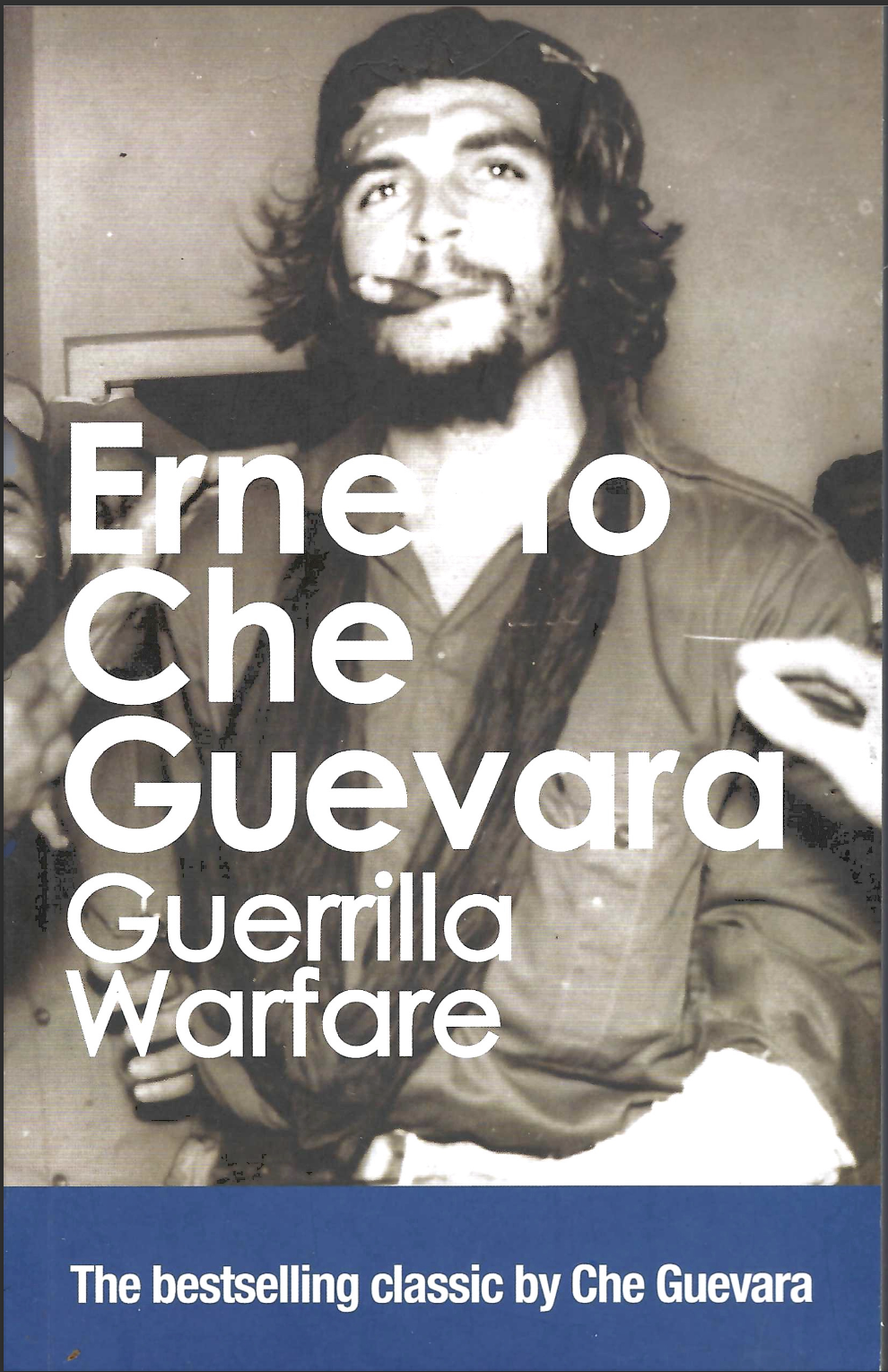
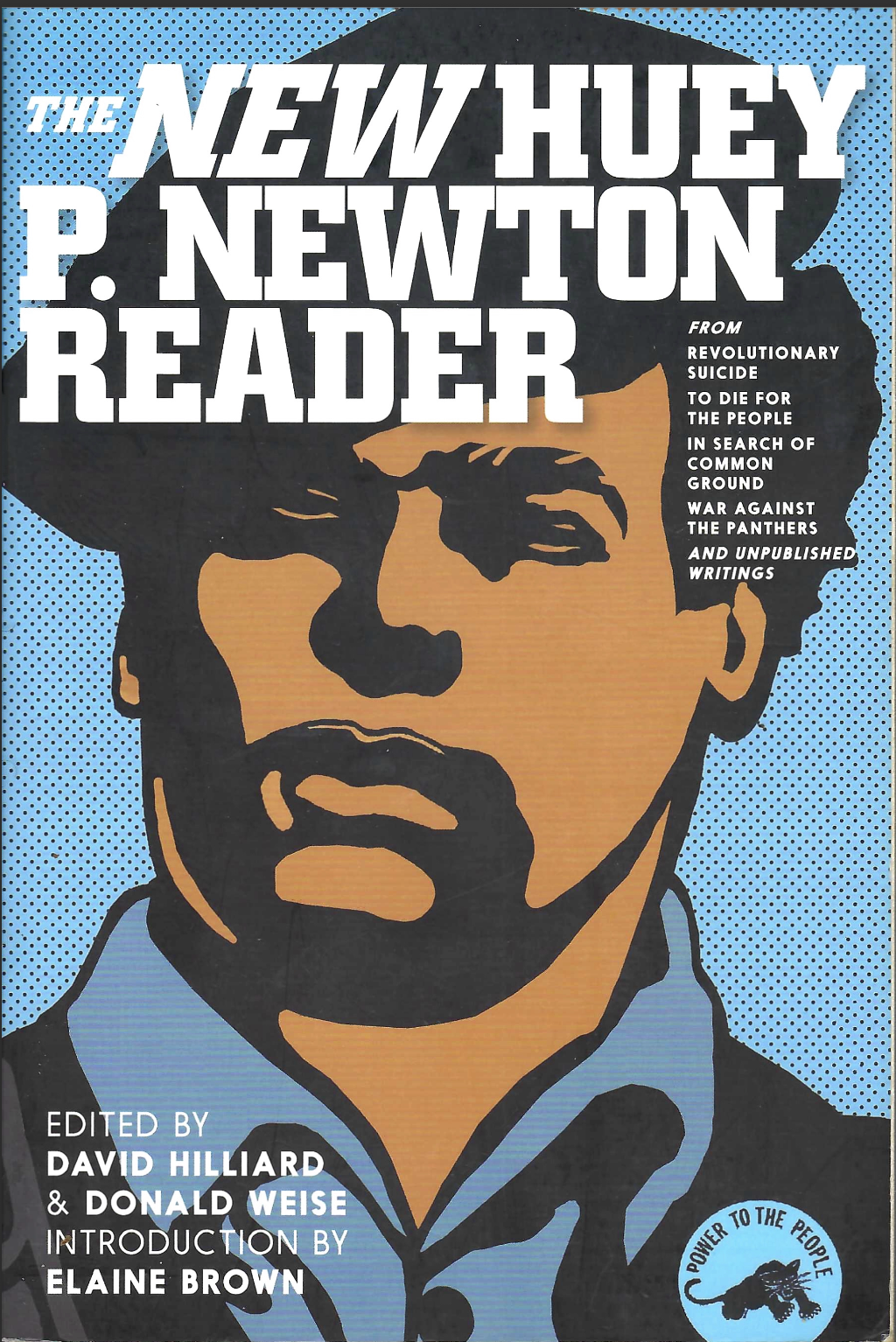

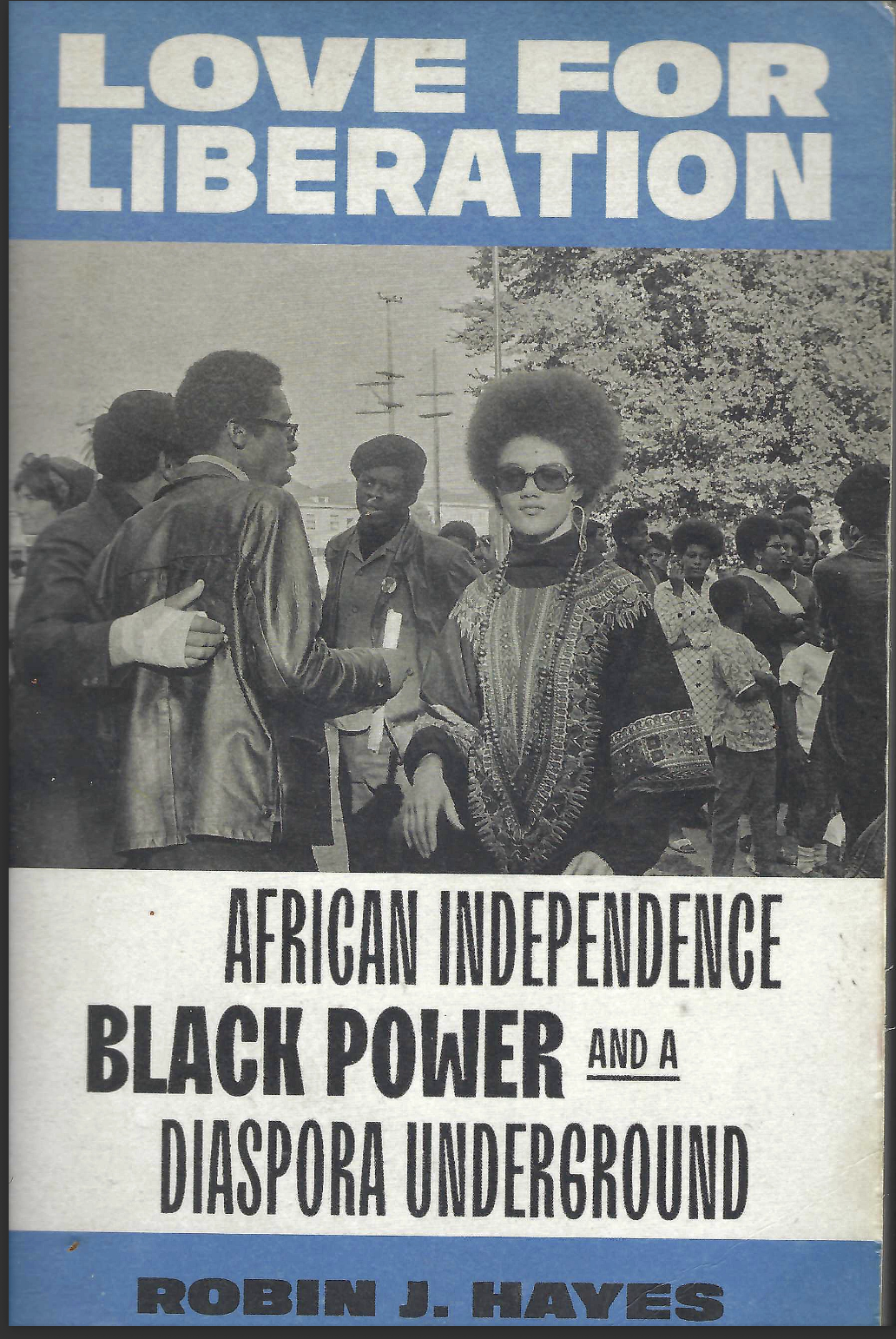
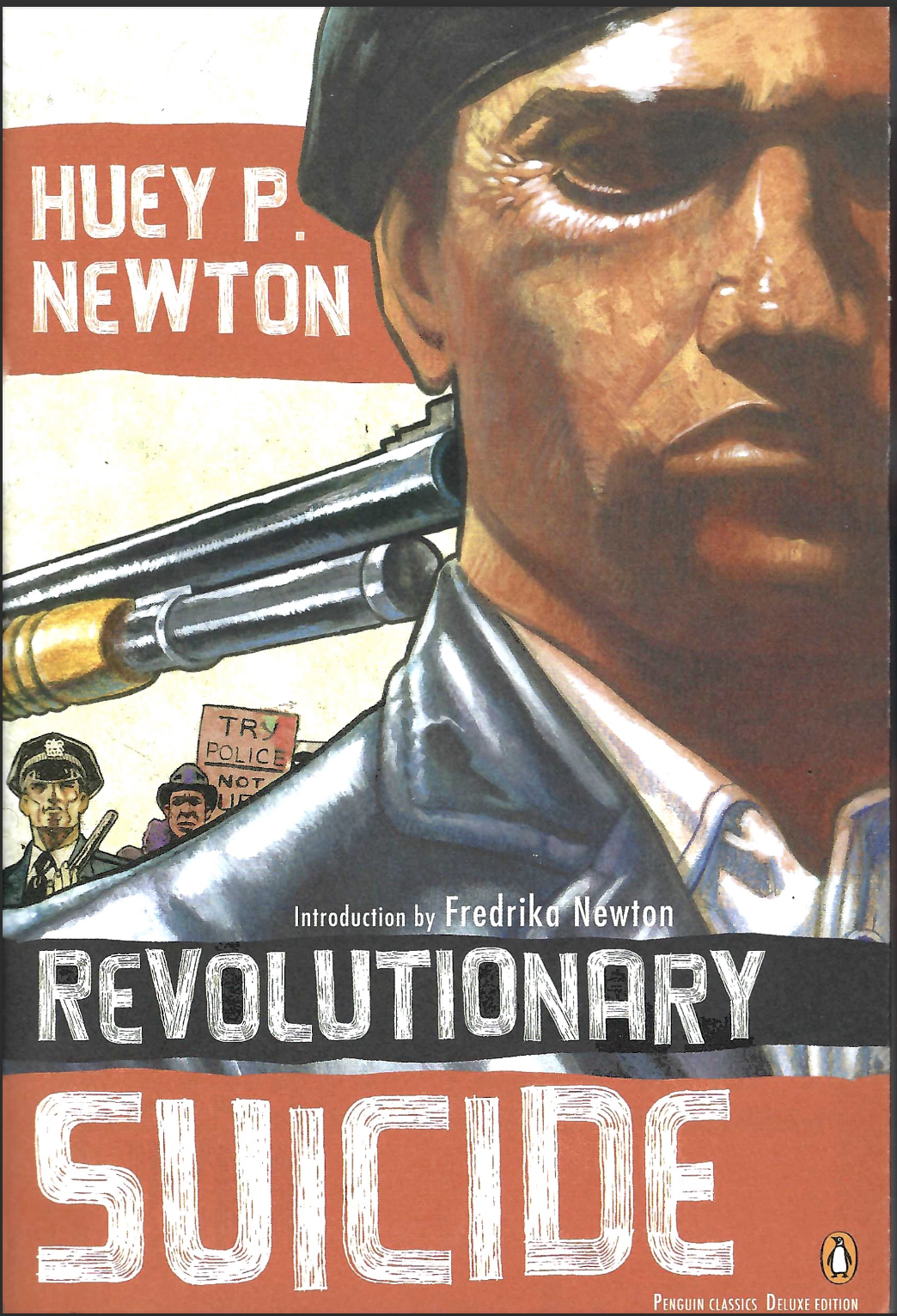
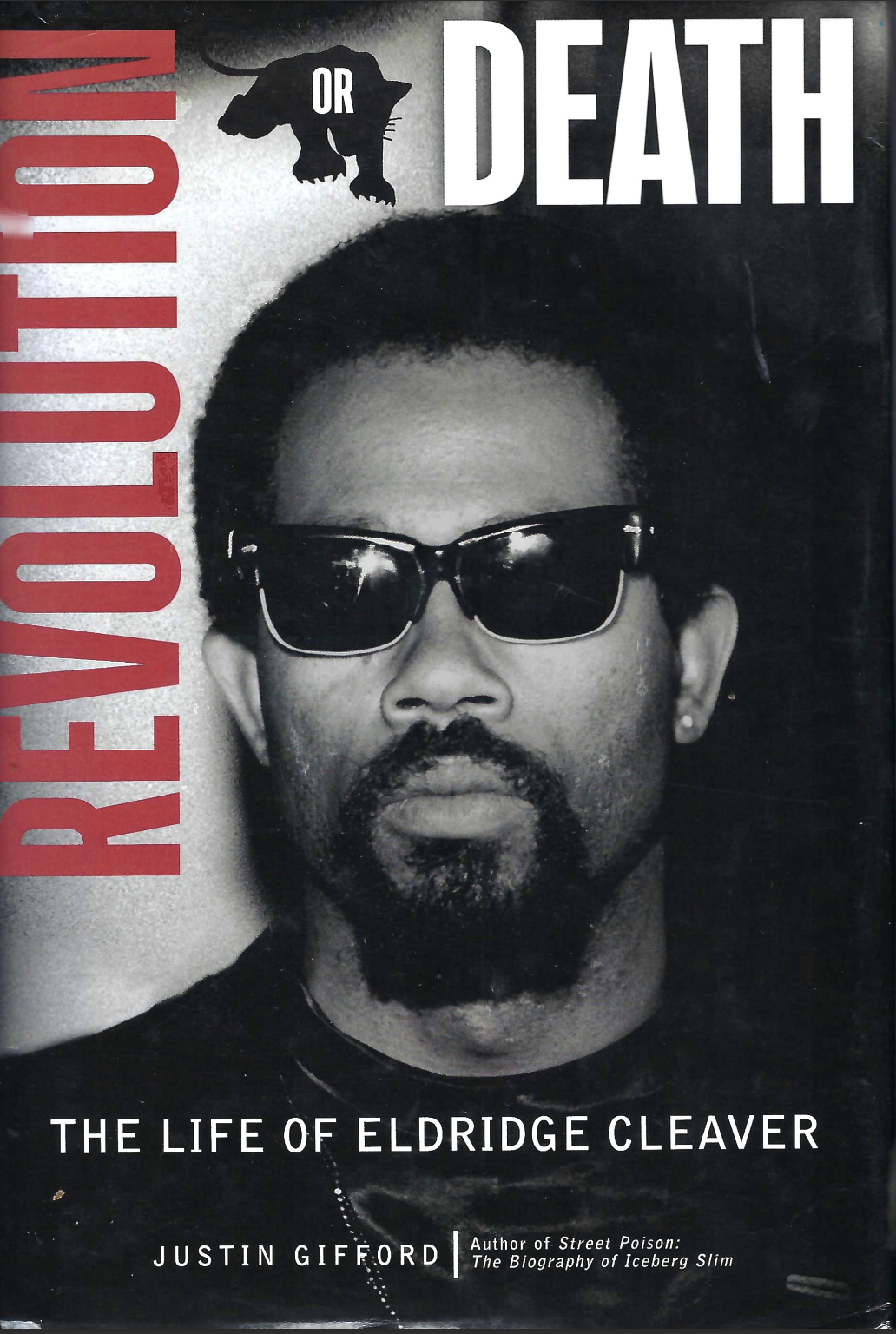
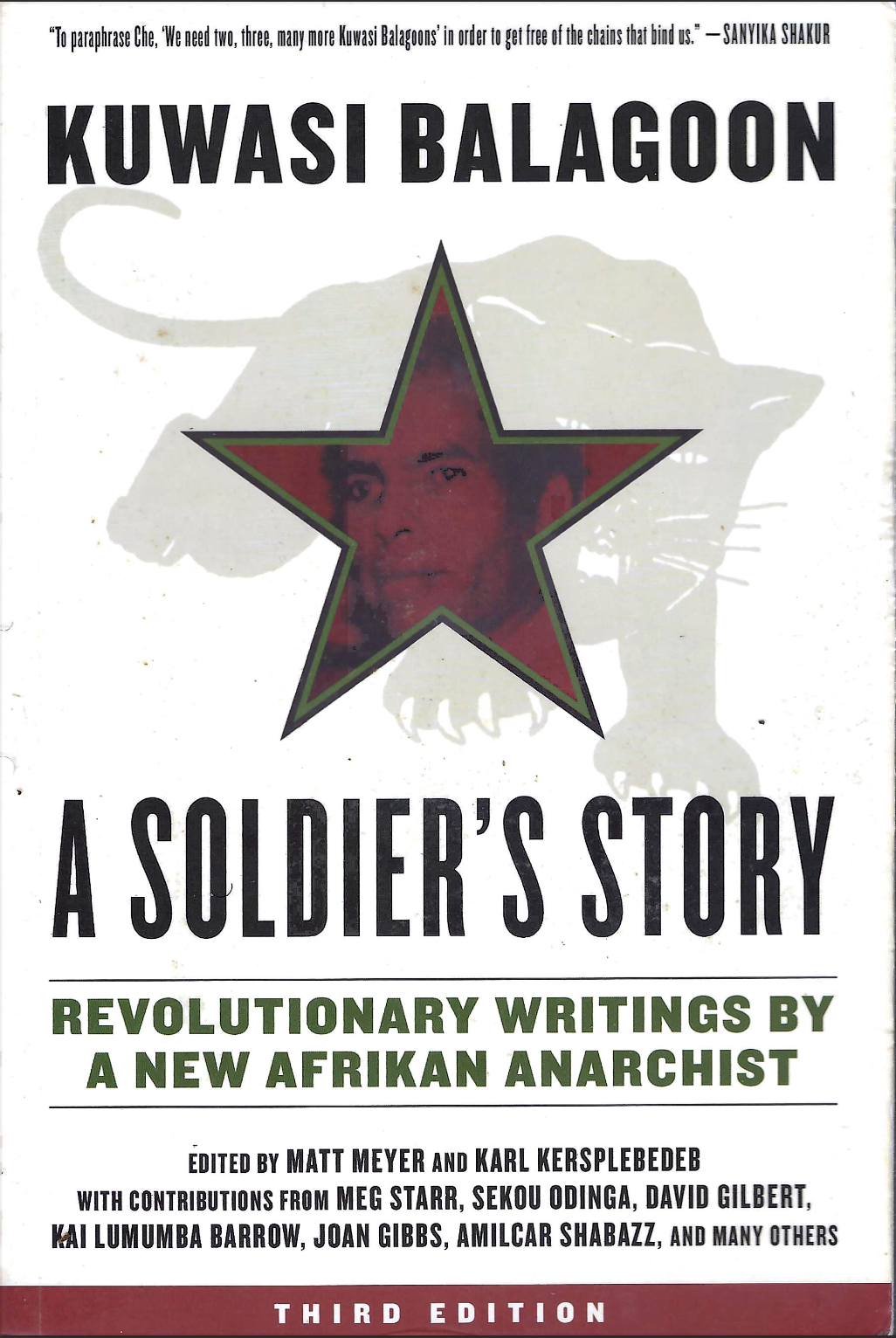
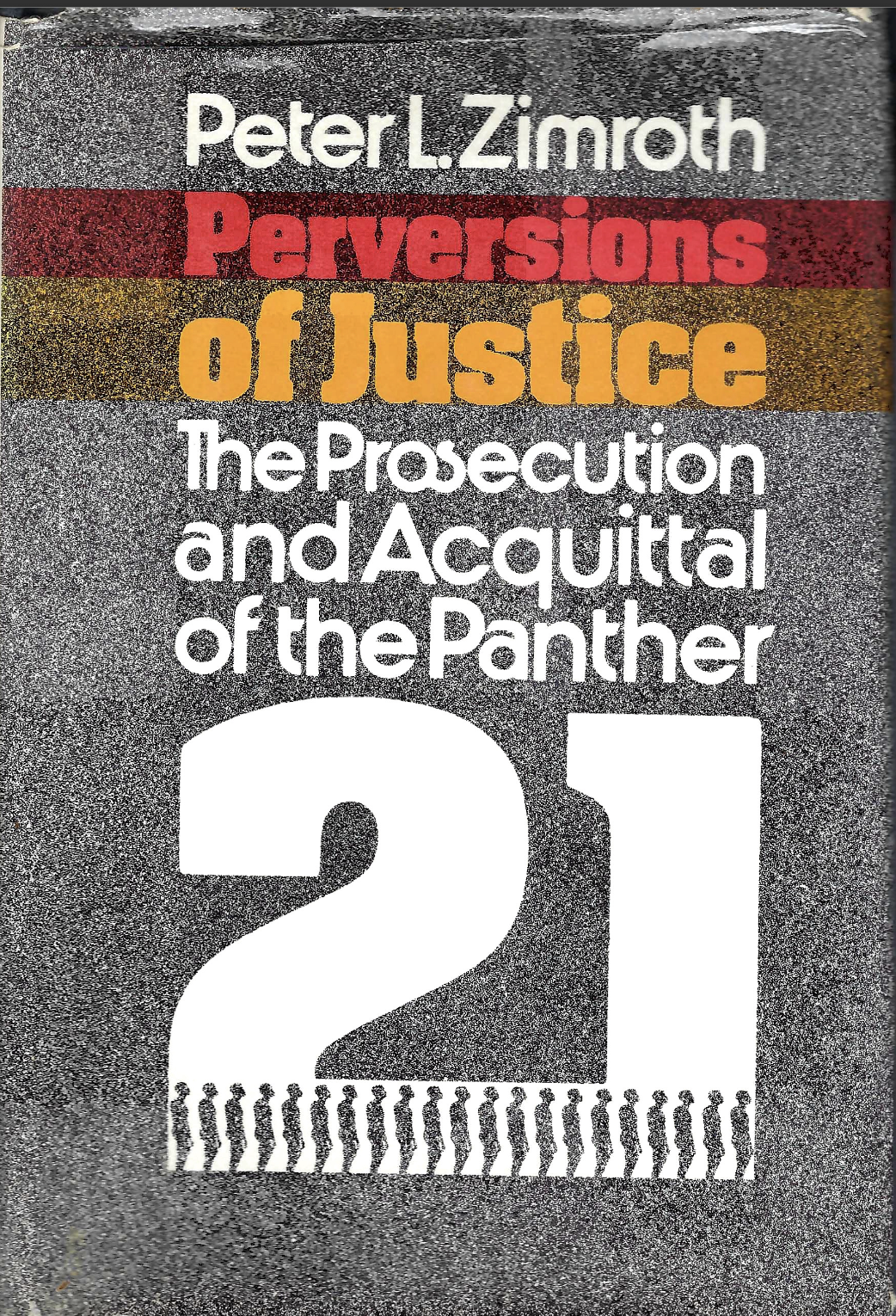
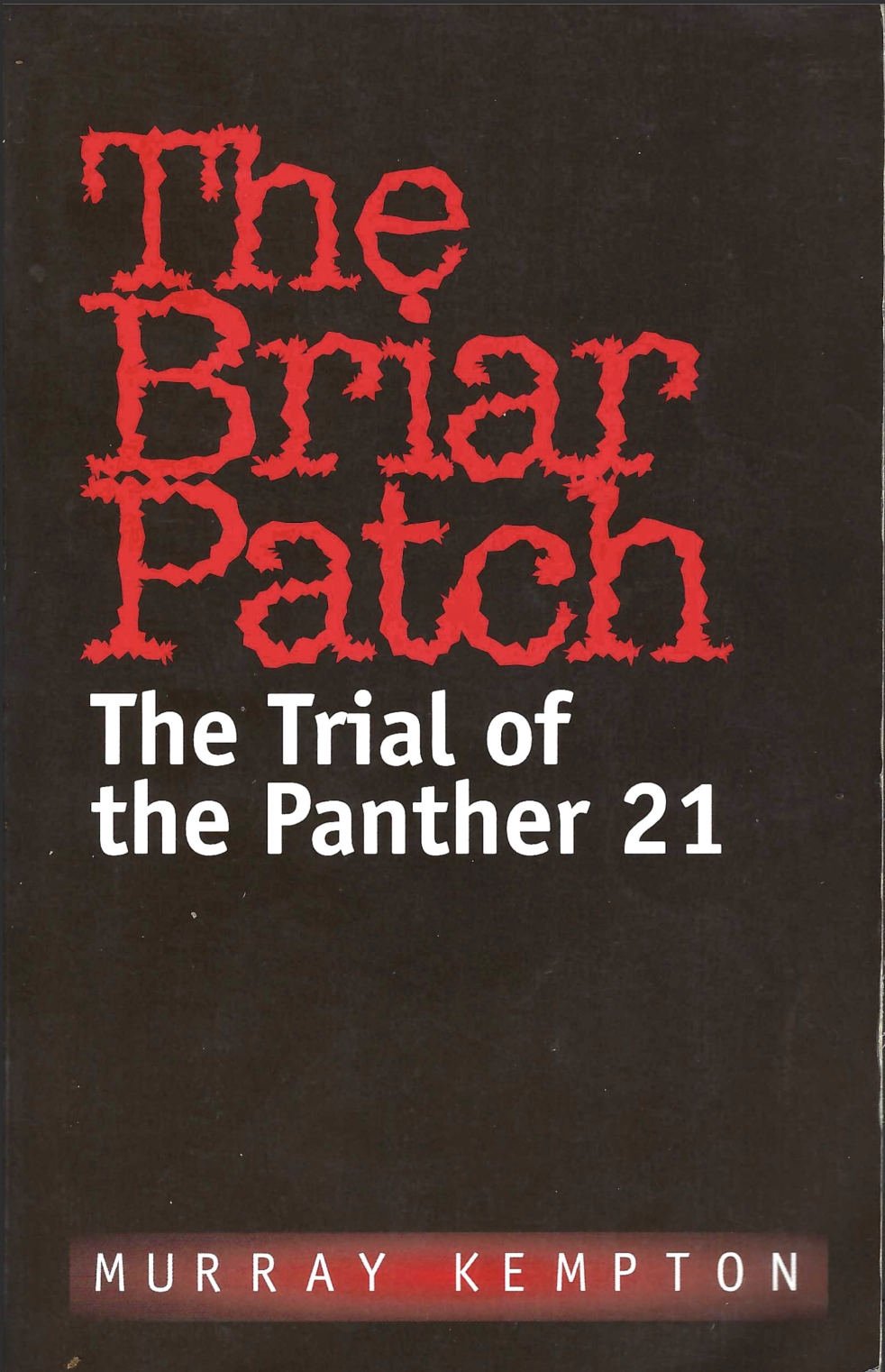
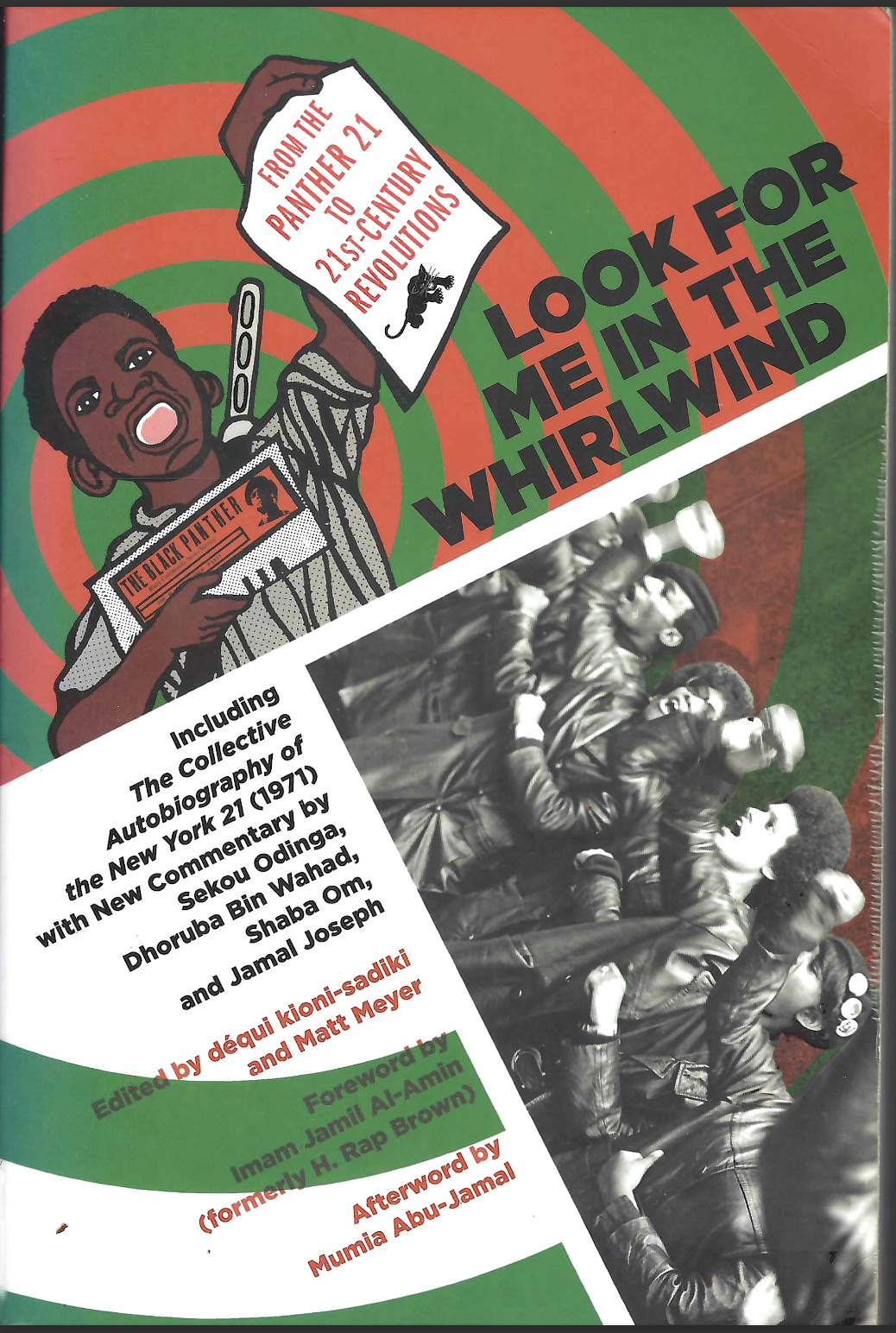
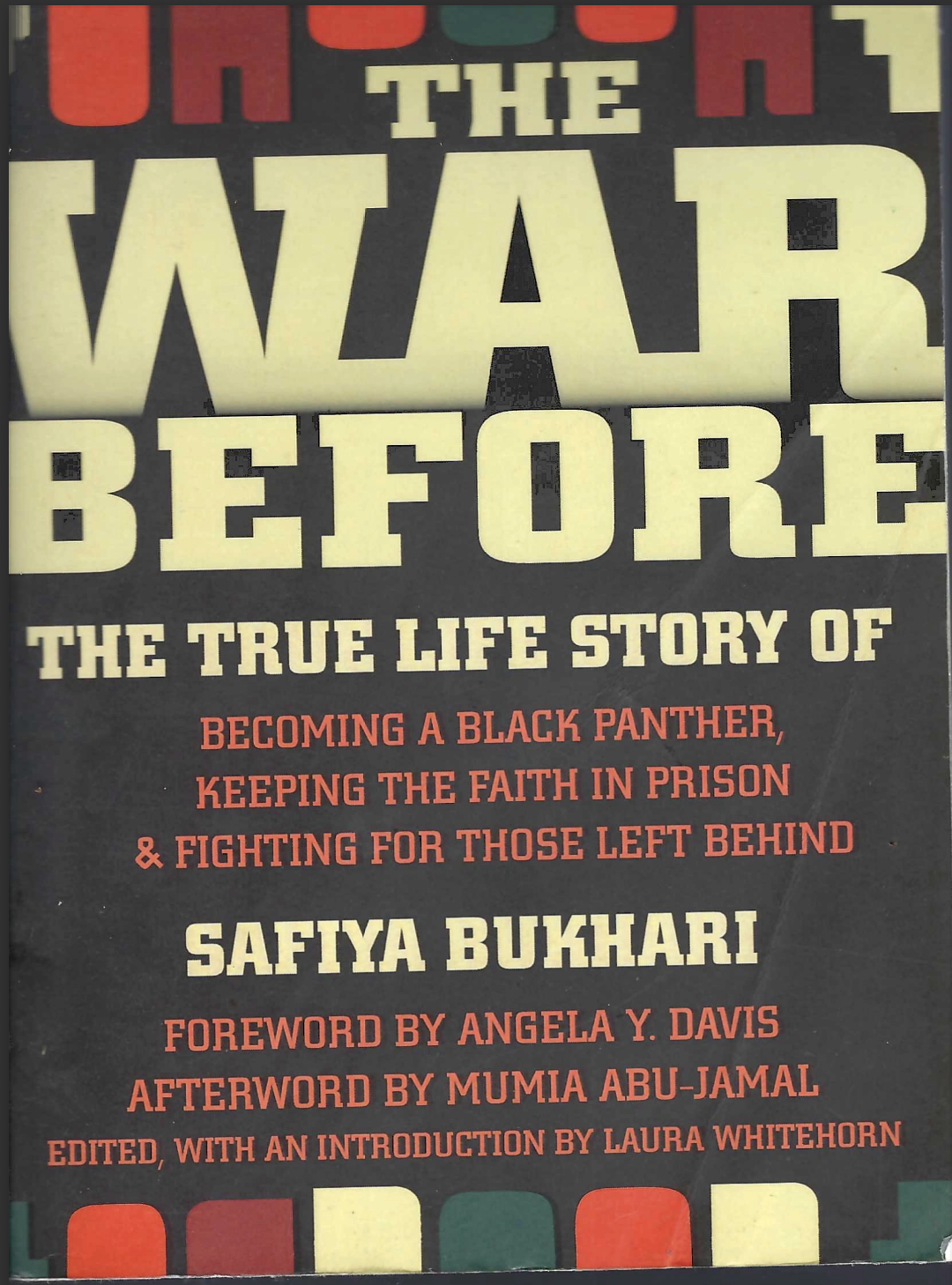
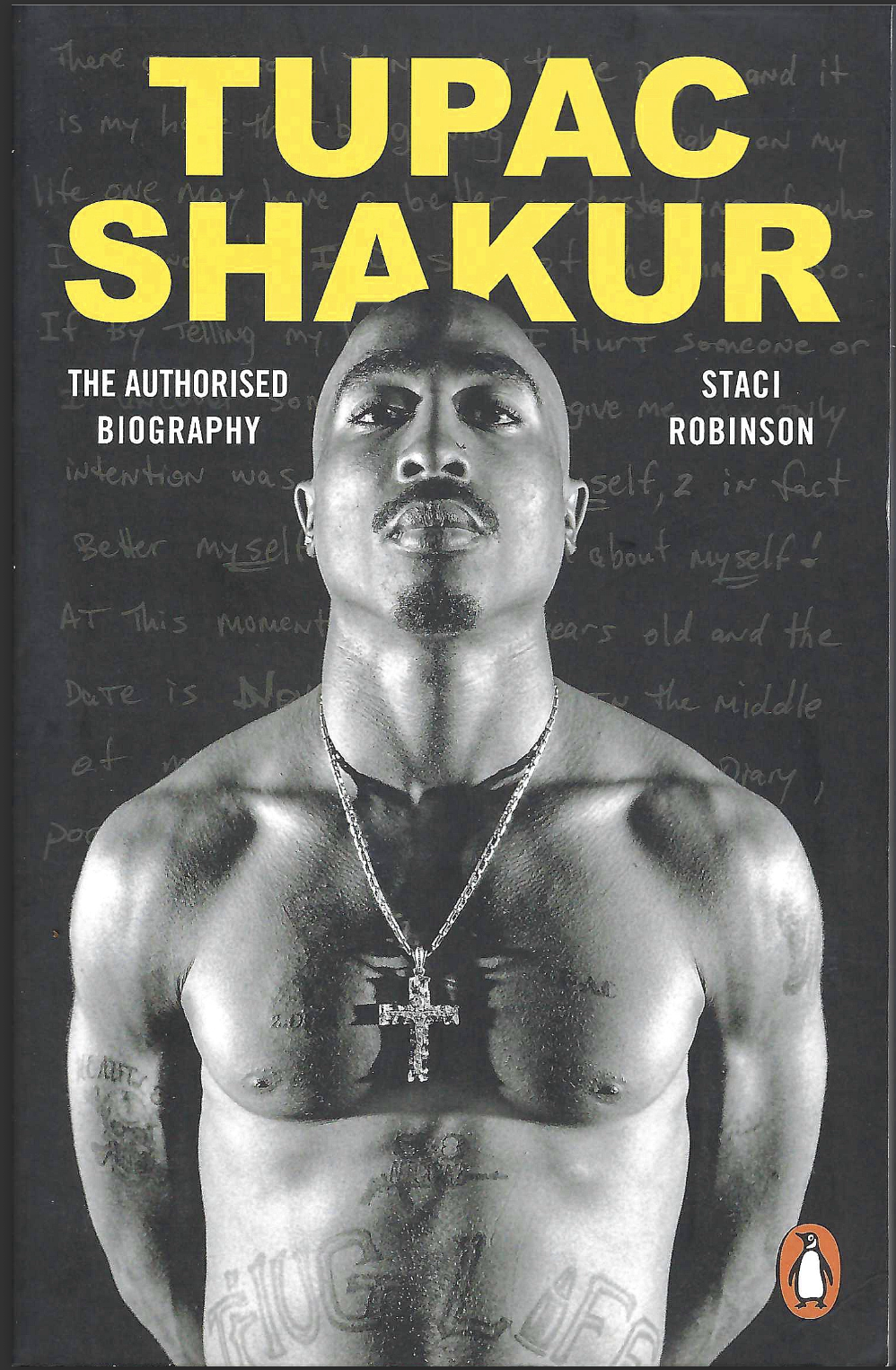
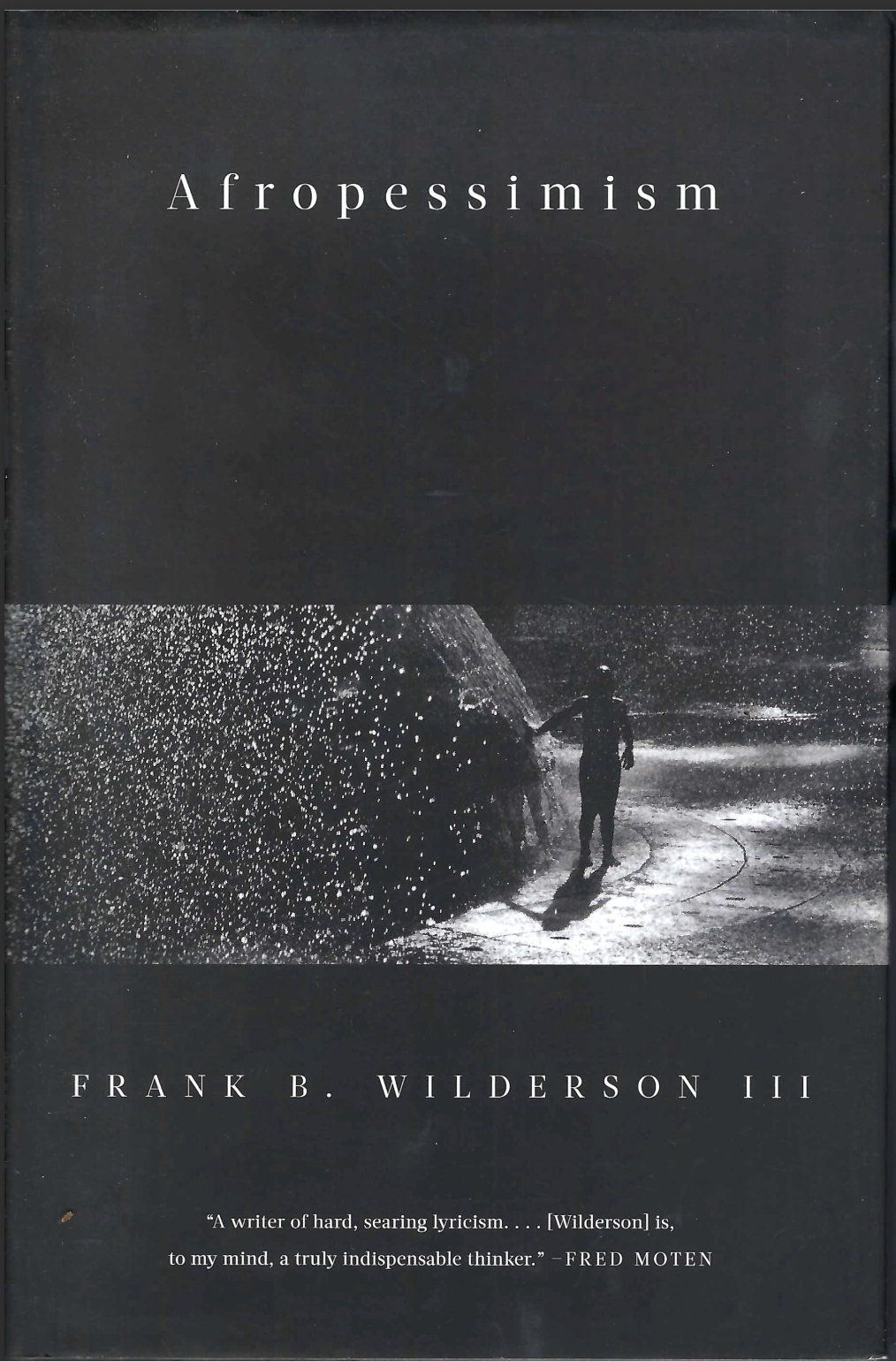
We presented the history gathered for this project in an anthology format, as we believe it will best serve the history and the audience. We presented this anthology through exhibitions and a podcast series.
This is not OUR version of these events. As often as possible, we “return to the source,” be that our own interviews, speeches, essays, and other writings of those central to the histories.
In doing so, we activated preexisting archival collections and contributed to the creation of new interviews, artwork and photography that record some of these “other histories”.

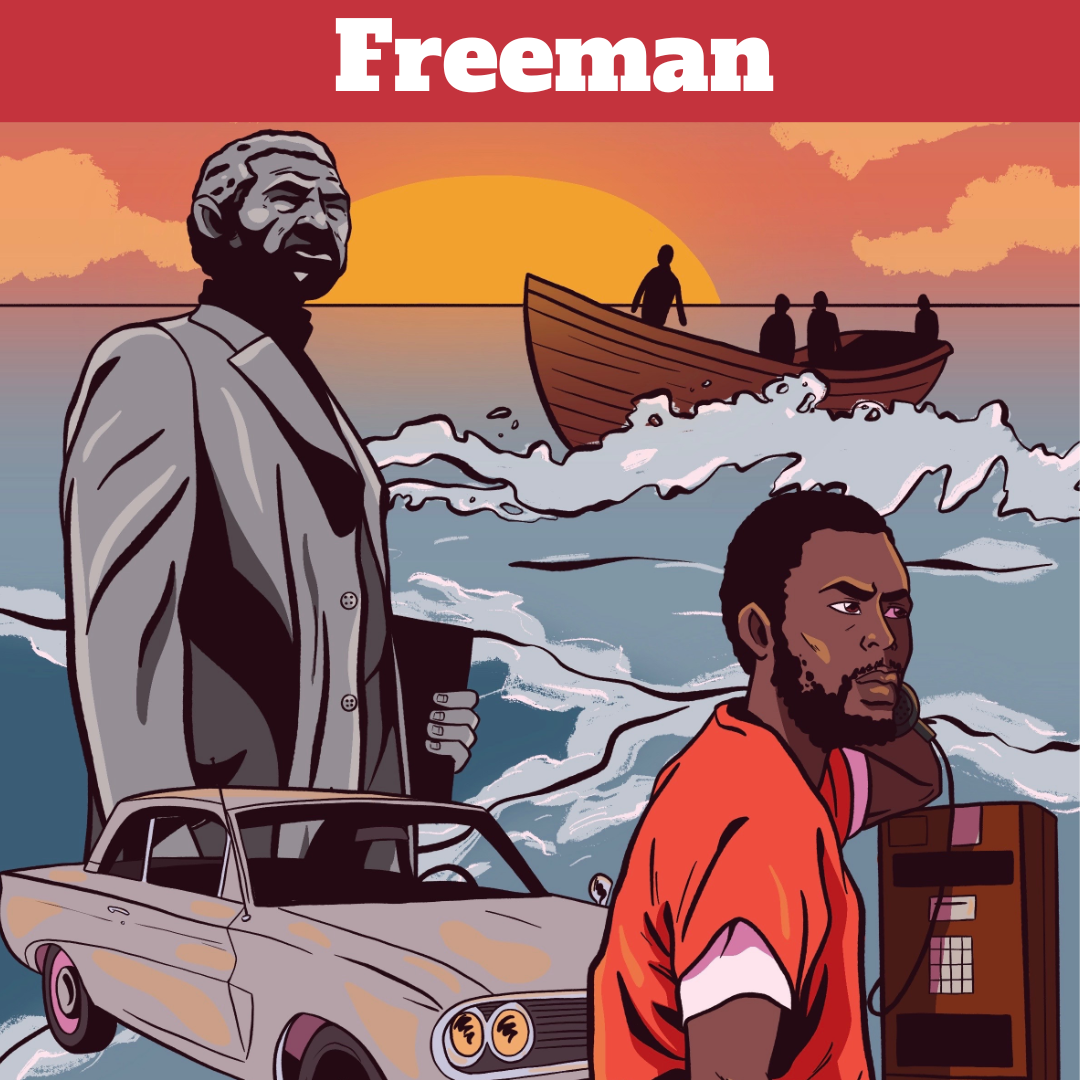

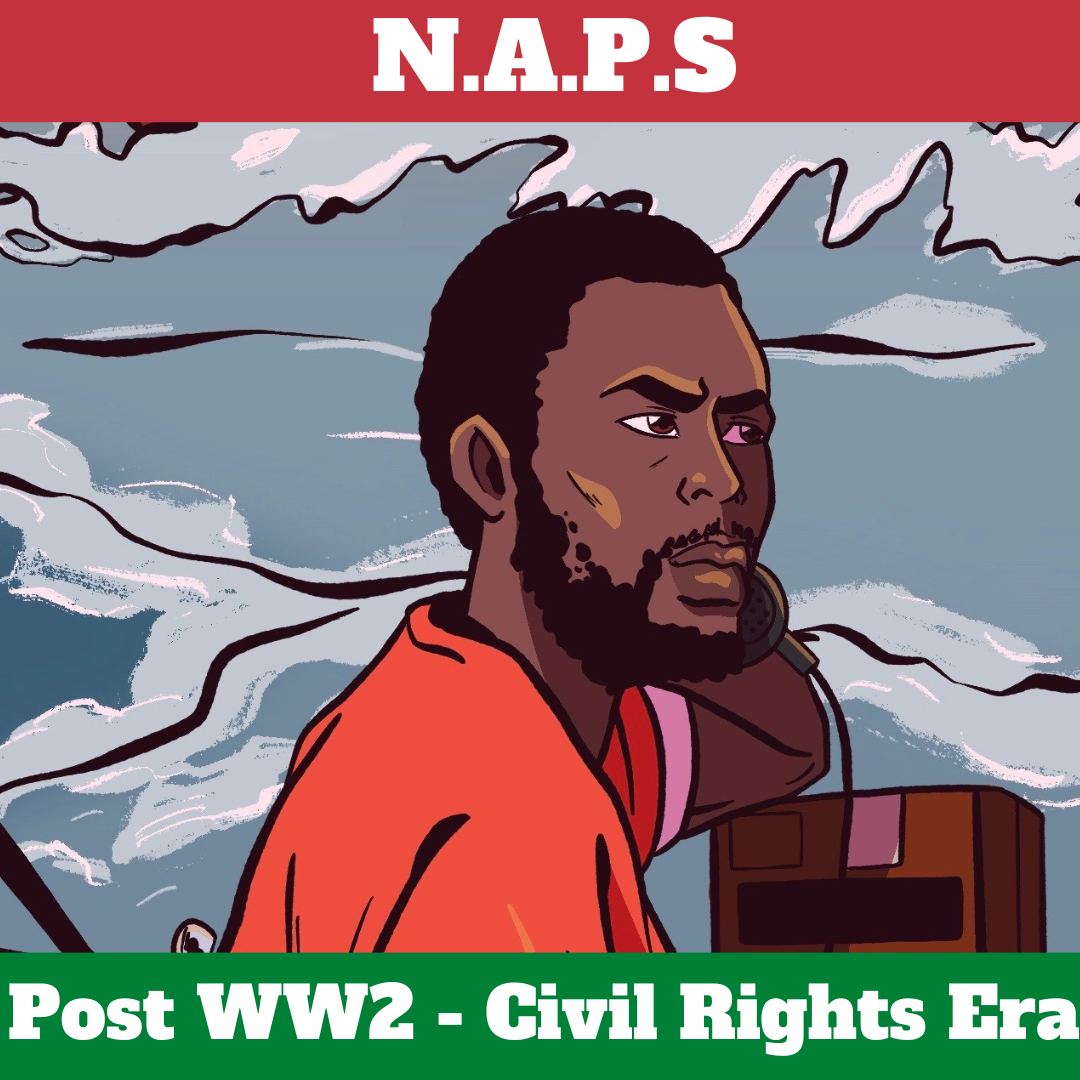


In 2022, we brought Assata’s Chant and Other Histories audiovisual experience to the Roundhouse for a month-long display, which included multiple events and a partnership with New Beacon Books, which saw London’s first black publishers and bookstore setting up a stall at our opening event.
In August 2023, in collaboration with FAM Oakland, we brought the Audiovisual experience to Oakland, California.
On the 28th of June 2024, we presented the collection for the 3rd time in an audiovisual exhibition at Black Eats Festival.

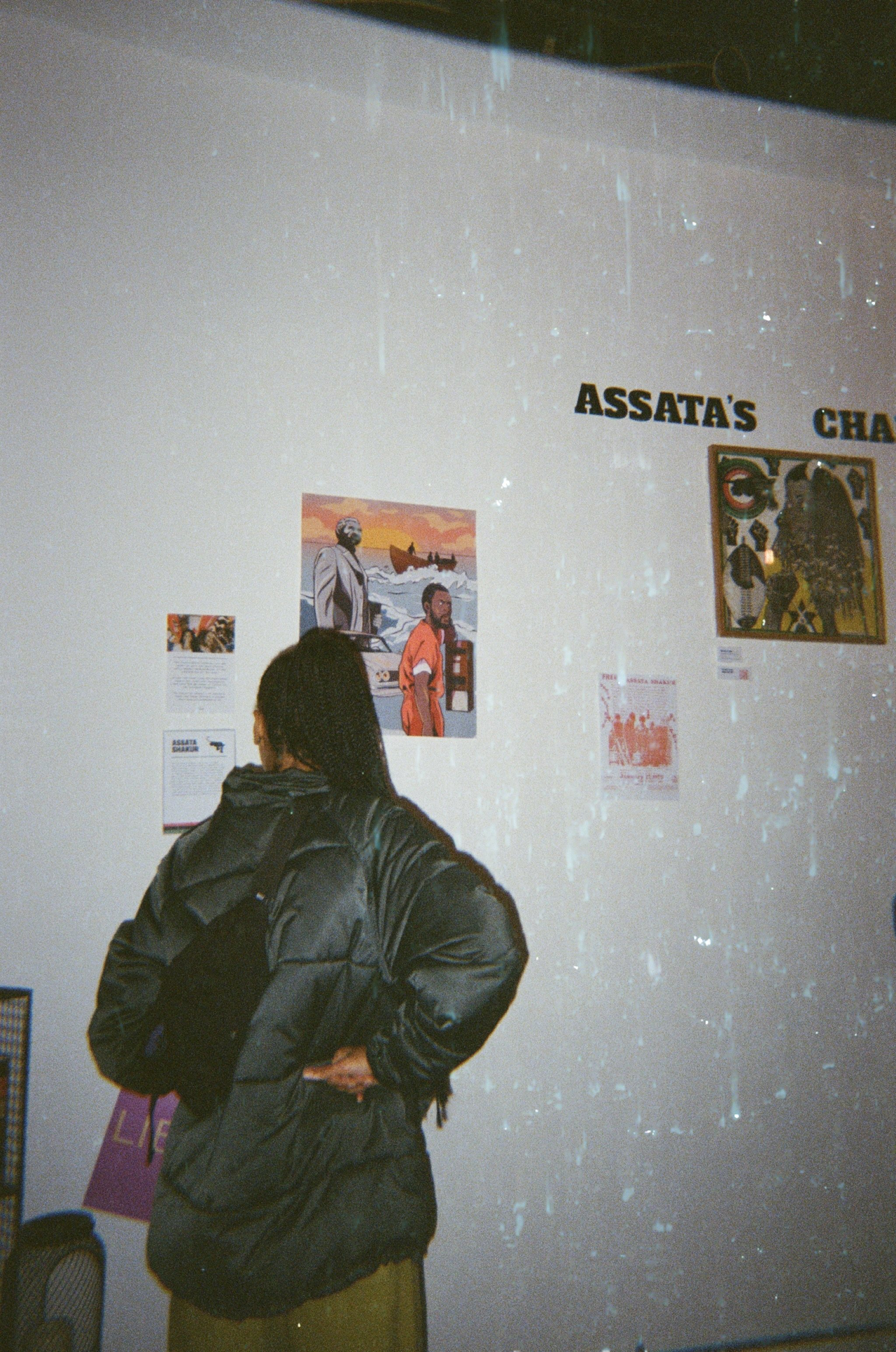


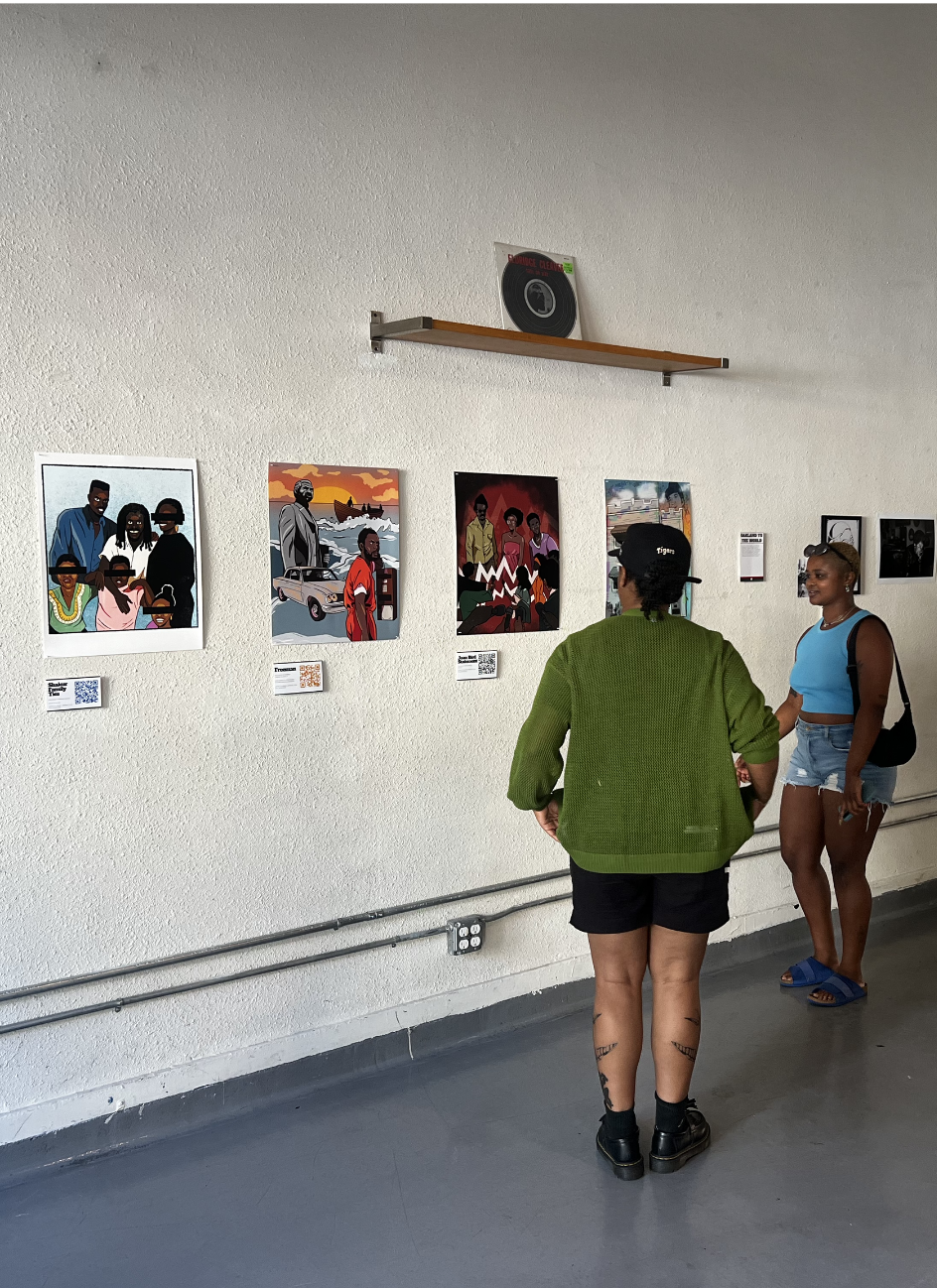
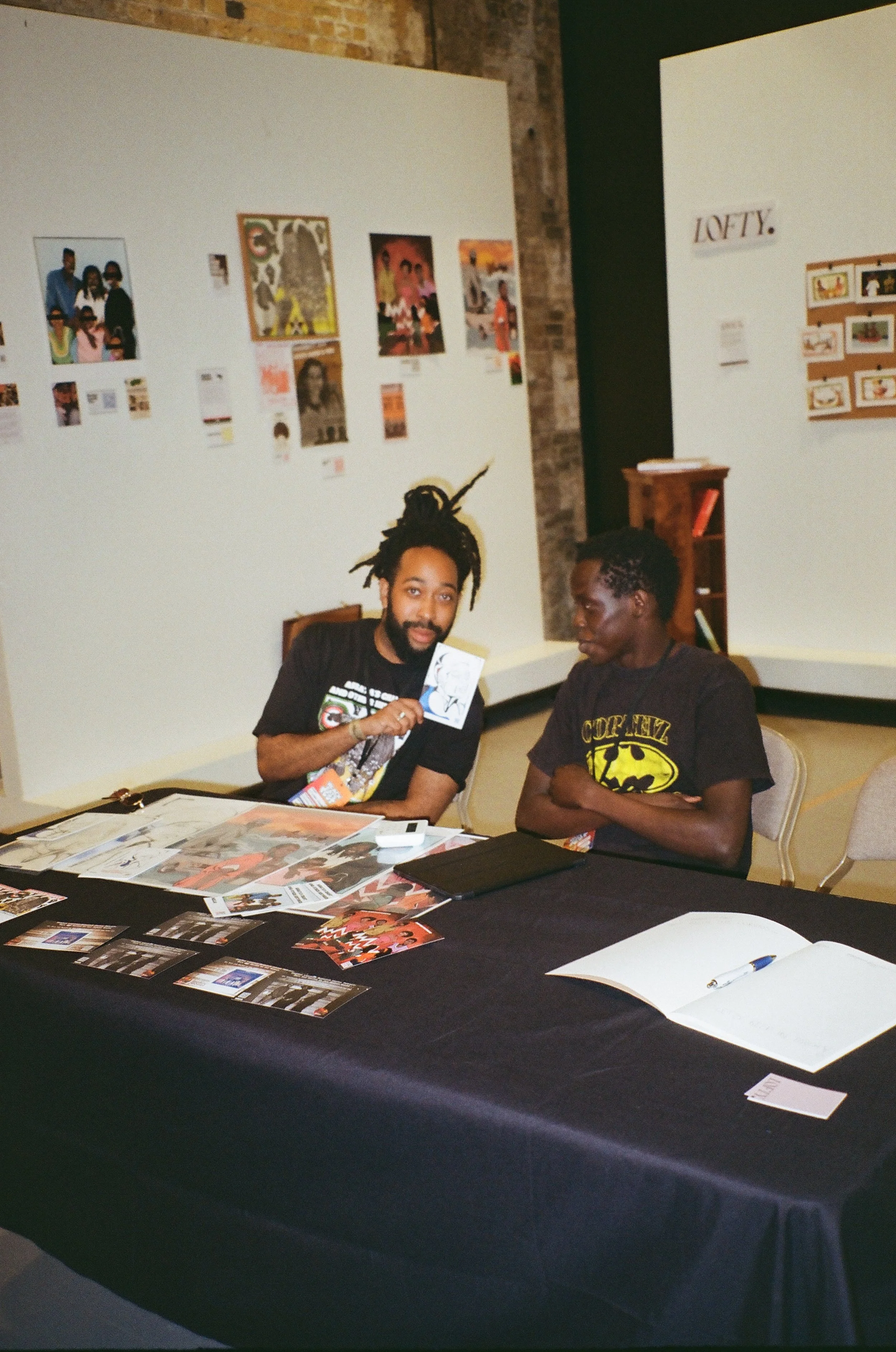
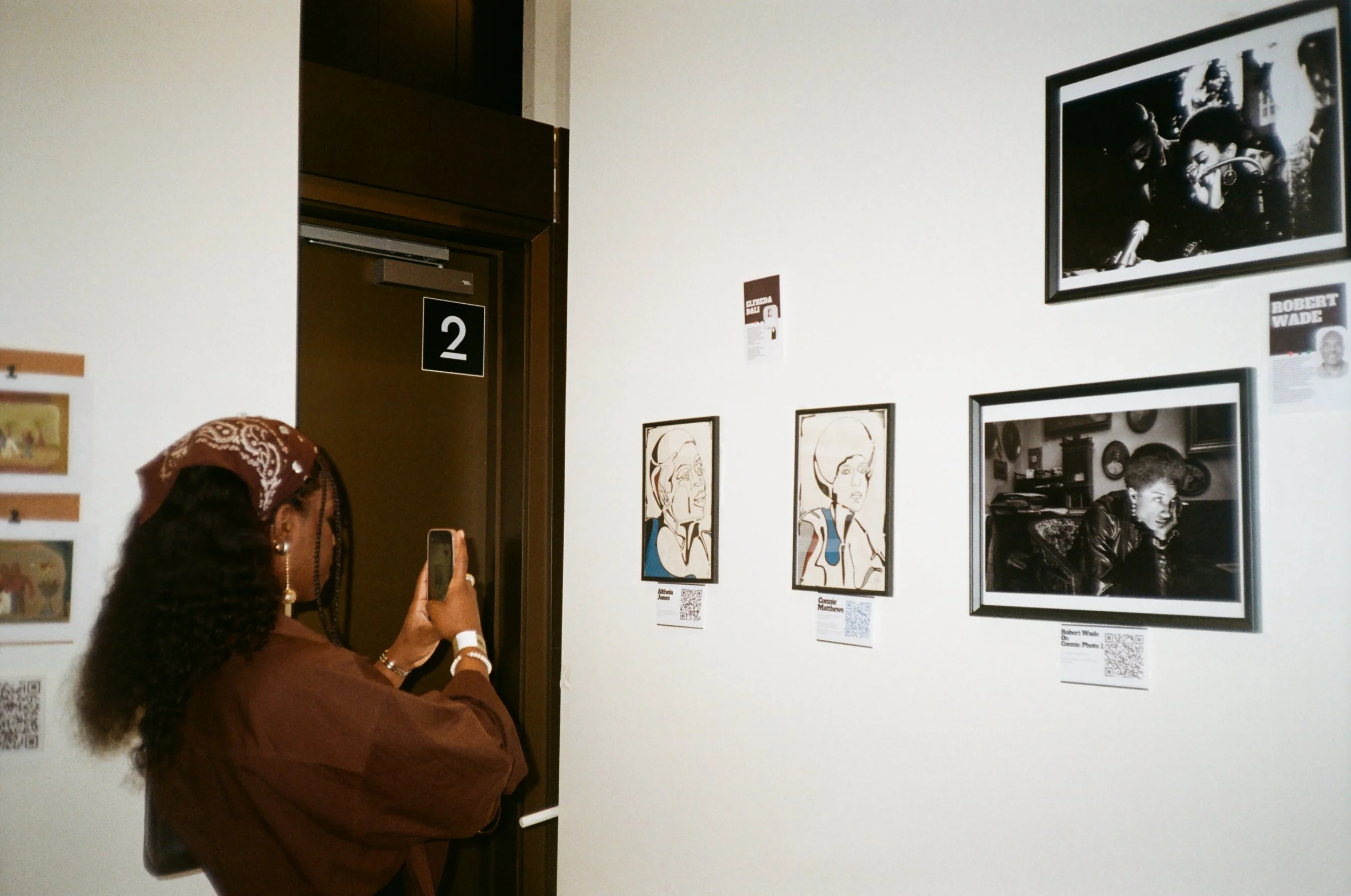
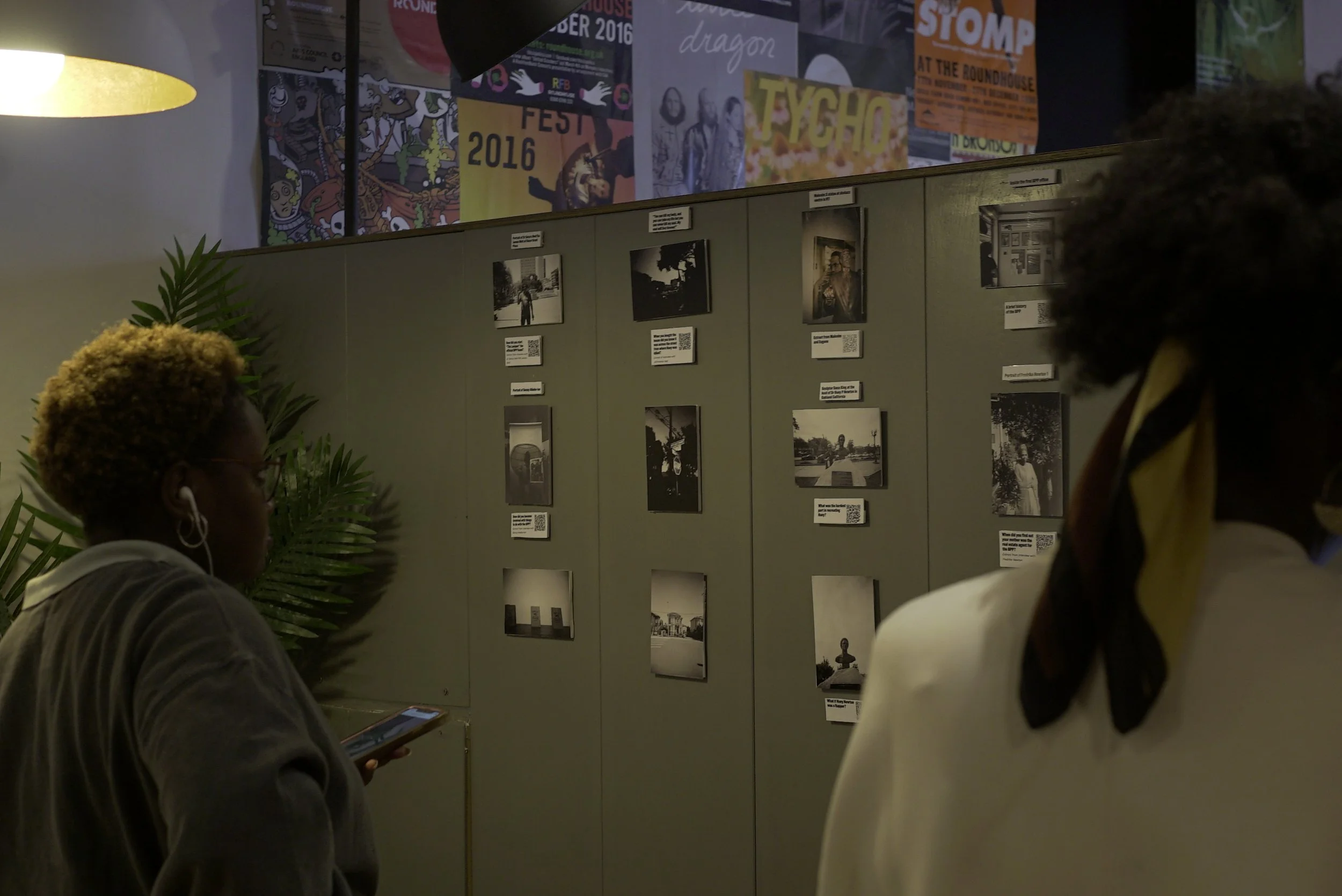
In the first exhibition, there was a wall dedicated to photographs i took to visually archive the oral history interviews I was recording in Oakland, California, the birthplace of the Black Panther Party.
The use of black & white 35mm film was an intentional commentary on the continuity of the histories explored in the project and the issues we face in today’s society.
The wall displayed portraits and QR codes that linked to corresponding interview excerpts.
Interviewees included:
Fredrika Newton, widow of Dr Huey P. Newton.
Dana King, Sculptor of Huey P. Newton Bust in Oakland
Dr Saturu Ned, Former Panther and member of the BPP’s official band and a COO of the Black Panther Party Alumni Network.
Located in the Belltown neighborhood of Seattle - Wade specializes in event, performance and portrait photography. Robert Wade's editorial and commercial photographs have been published in magazines including Art Forum, Art in America, the Seattle Times, SF Gate and GQ, and his event photography clients include numerous for-profit and non-profit organizations.


Connie Matthews was born August 3 1943, in the St. Anne's parish of Jamaica. In the late 60’s she became the International Coirdinator of the BPP
“As documentary forms, both photography and oral history have been used as evidence of an authentic social reality or culture … these forms imply a credibility of experience whereby the event of documentation is transparent, and the artefact ( be that a photograph or a recording) is simply a carrier by which the subject can communicate” - Al Bersch and Leslie Grant, From Witness to Participants: Making Subversive Documentary. Chapter 10, Oral History and Photography
Haiti's History of Revolution and Resistance (2024)
Access Point: Digital Timeline
The Freedom Archives is a non-profit educational archive located in Berkeley dedicated to the preservation and dissemination of historical audio, video, and print materials documenting progressive movements and culture from the 1960s to the 1990s.
In 2024, I collaborated with Freedom Archive on a multimedia timeline project that explores Haiti’s history of resistance, especially the significance and legacy of the Haitian Revolution. The project shines a light on archival holdings in Caribbean history beyond the materials on Cuba and Puerto Rico, which are more robust and accessible. Produced in collaboration with the Haiti Action Committee, a U.S.-based network of activists who have supported the Haitian struggle for democracy and self-determination since 1991.
The project also brought new archival documents into the Freedom Archives’ collection.

Sir Collins Collection
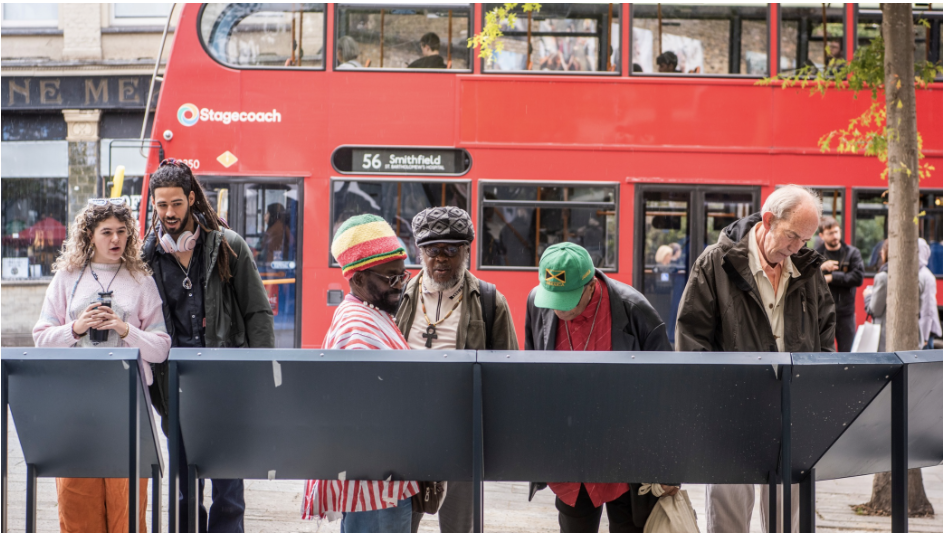
Access Points: Interpretation Panel, workshops, Oral History and more
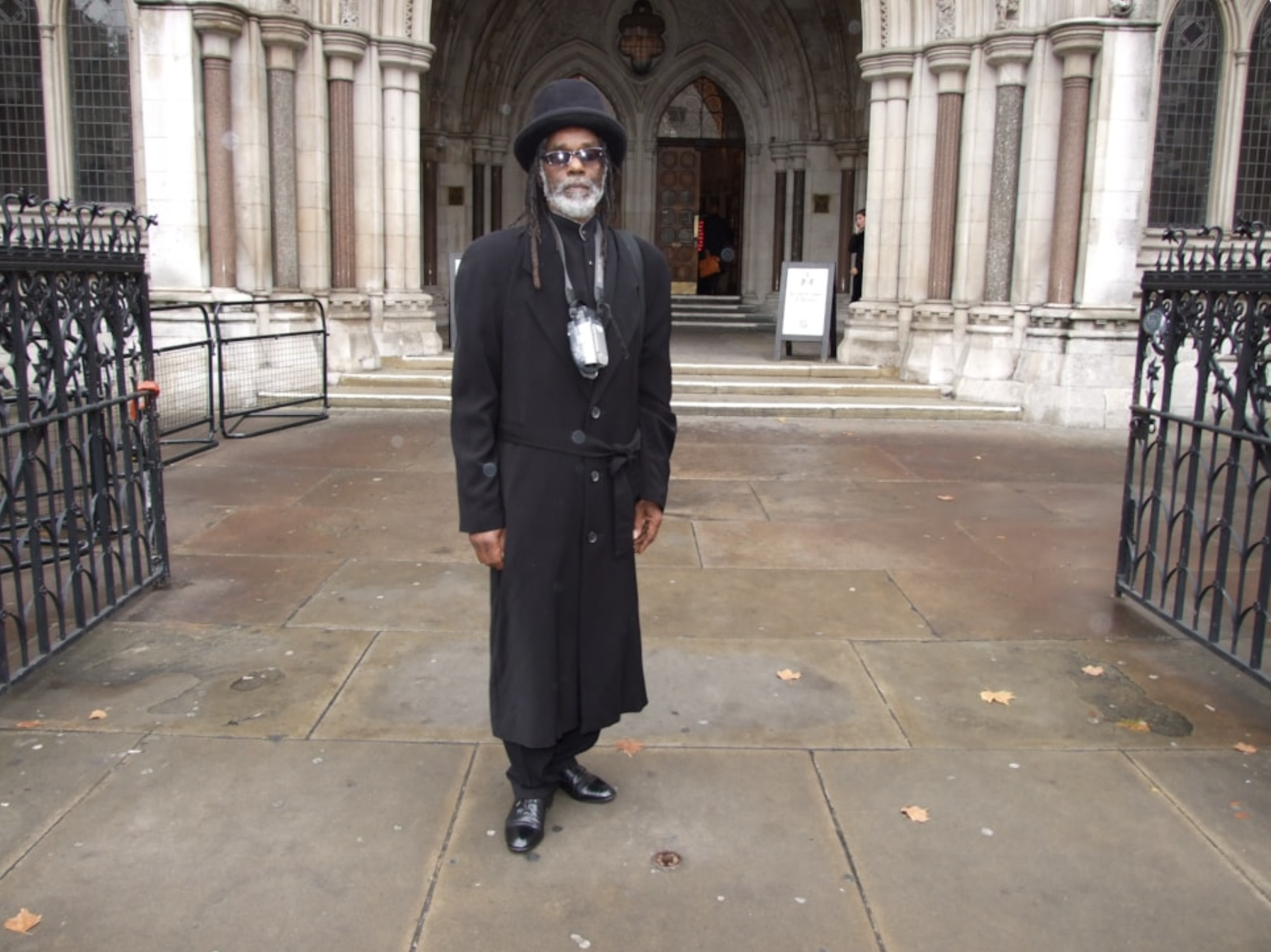
In December 2022, I began volunteering on the Sir Collections collection at Hackney Archives. Sir Collins was a community-focused musician, organiser, photographer, activist, youth worker, archivist and more. The collection spans from 1957 to 2017, and documents local community organisations as well as entertainment venues like the Four Aces Club. The collection also contains documents and correspondence around the tragic New Cross Fire of 1981, which claimed the life of Sir Collins’s son Steven Collins. In October 2023, I was hired as a collections assistant at Hackney archive, where I was responsible for supporting the cataloguing of documents and audio-visual material (in analogue and digital formats).
Since August 2024, I have been working with OGYG, the organisation run by the Collins family, to develop the collection through a range of public history initiatives.

Arts Jamaica
Access Points: website + Multimedia AV Production
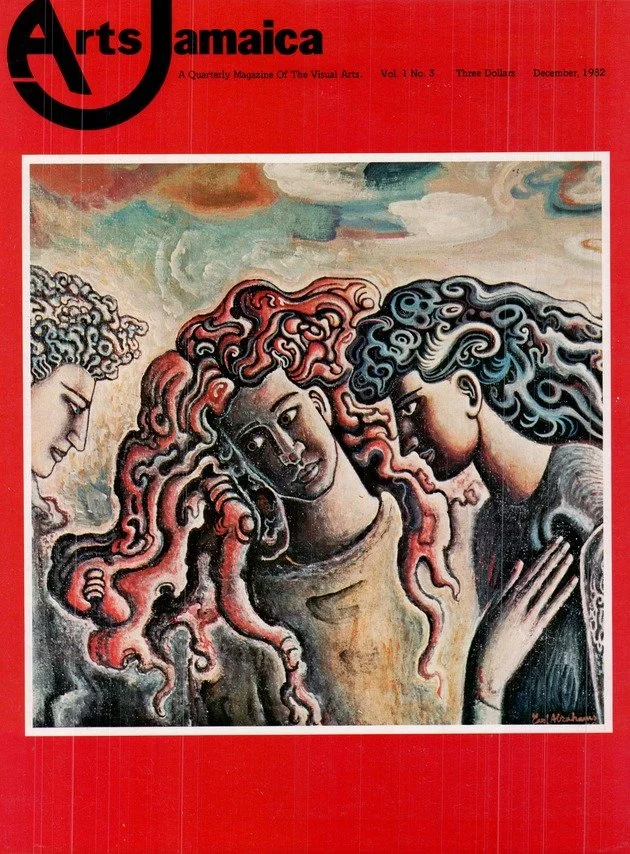
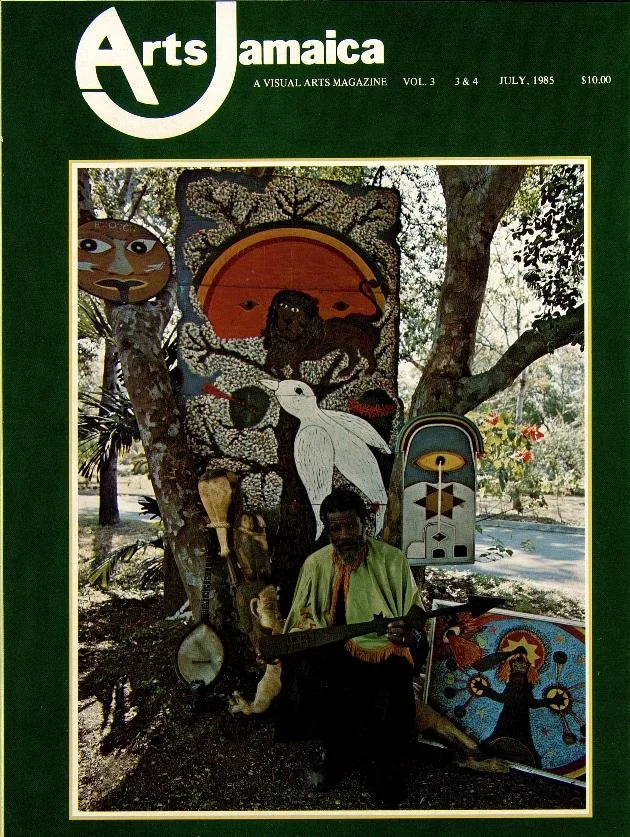
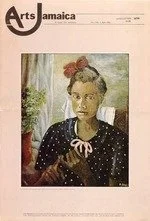
Arts Jamaica is an arts organisation based in Kingston, Jamaica. Arts Jamaica was created to “Systematically record, analyse [and] celebrate” the burgeoning visual art movement on the island. One of AJ’s best-known contributions is the pioneering Arts Jamaica publication, which provided Jamaica with its first quarterly art magazine.
While the organisation started in 1982, it has been dormant in recent years. Hoping to impact a new and global audience, AJ is now engaging in a strategic archive-centred initiative that involves digitising and cataloguing its extensive audio-visual material and conducting new oral history interviews with Jamaican artists and practitioners who have played a significant role in the island’s visual arts movement.
While working with Art Jamaica, I took portrait photographs, recorded oral history interviews, and assisted researcher, writer and curator Rianna Jade Parker in the digitisation and cataloguing of the AJ photo collection.
AJ aims to catalogue this mix of old and new material as a means to collect and preserve the history of 20th-century Jamaican art and then disseminate both records and multimedia educational content on Jamaican art history for a global audience via a website and social media.
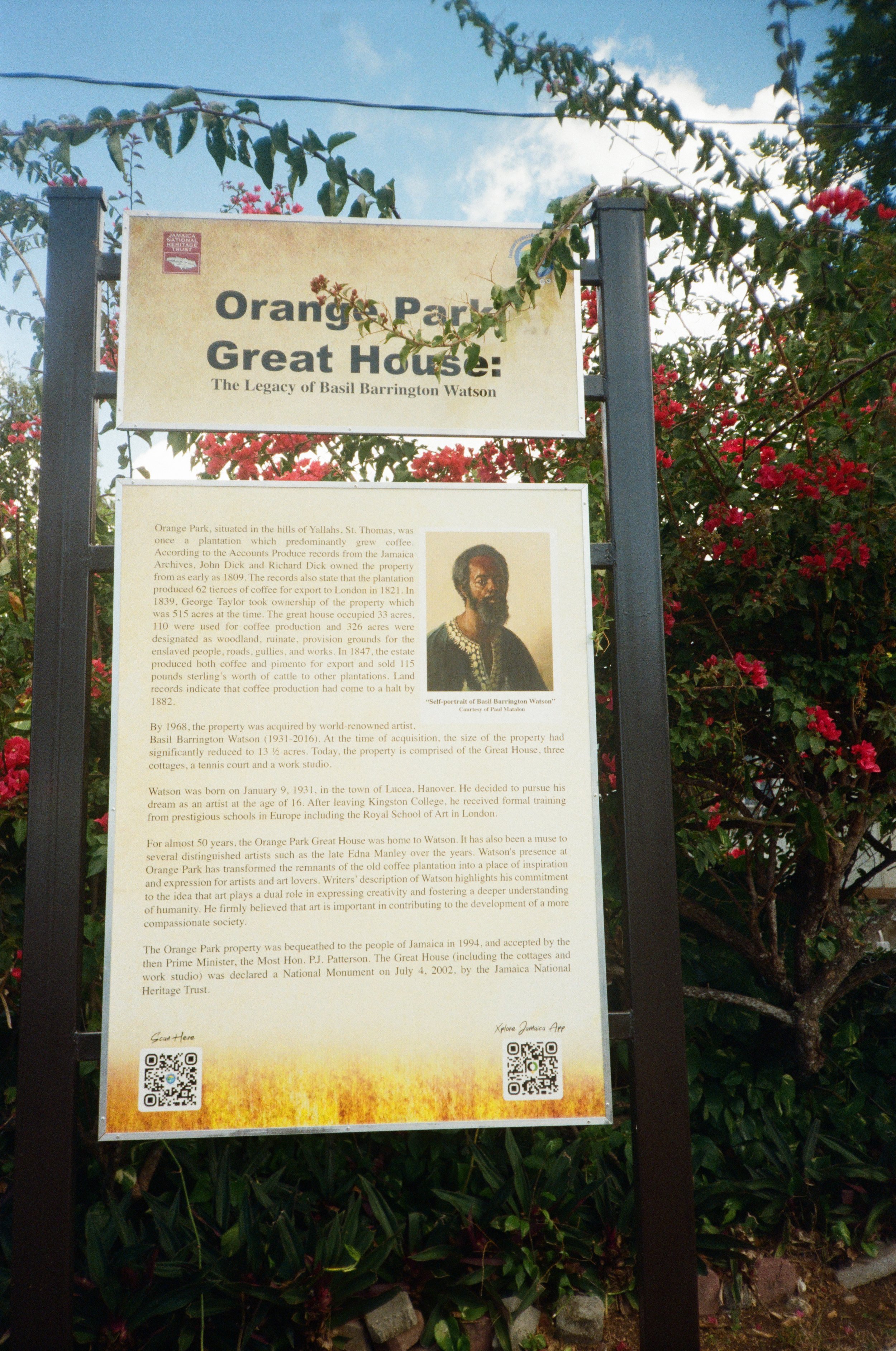
Orange Park, home, studio and final resting place of the renowned Caribbean artist Barrington Watson.
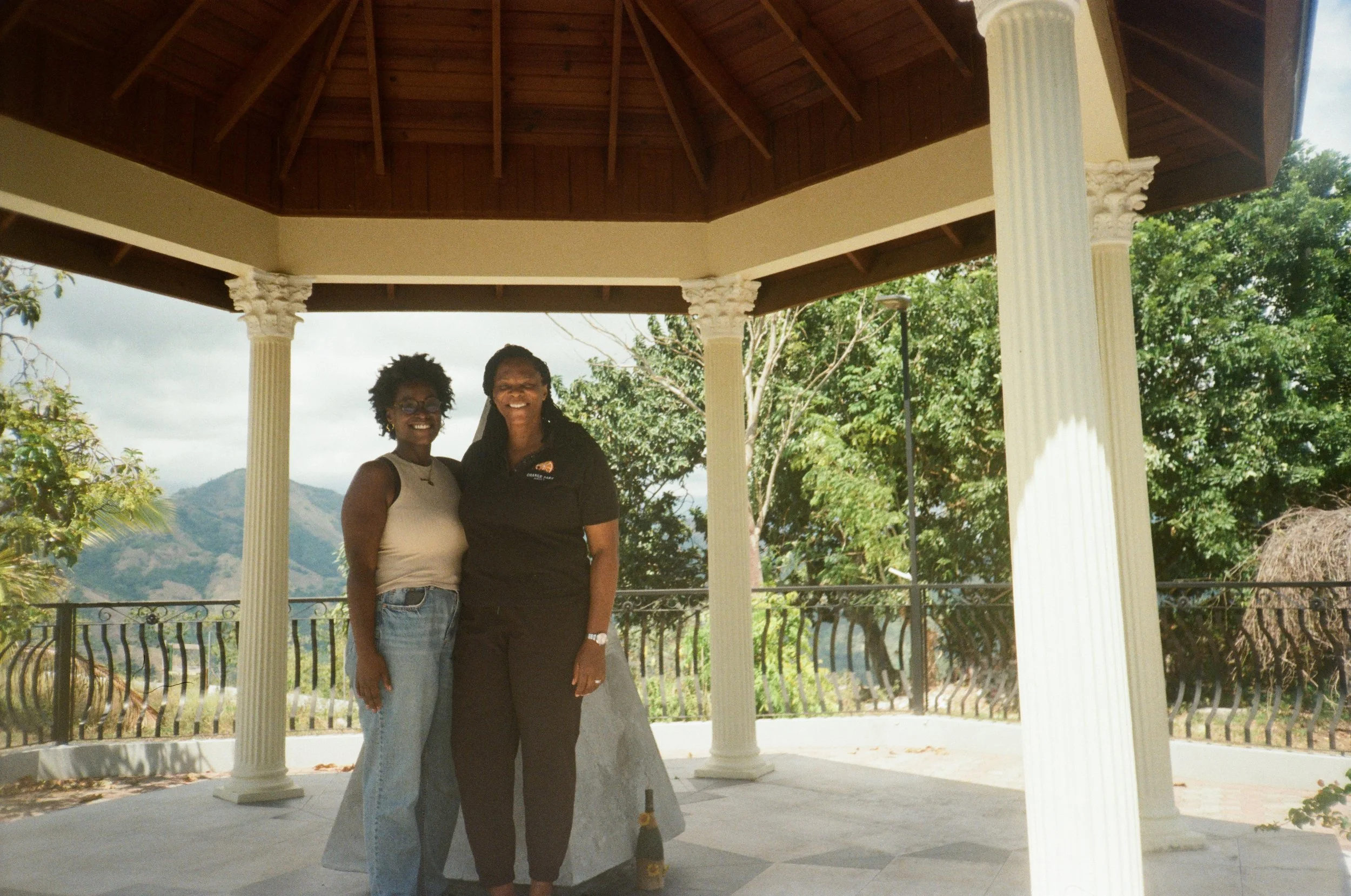
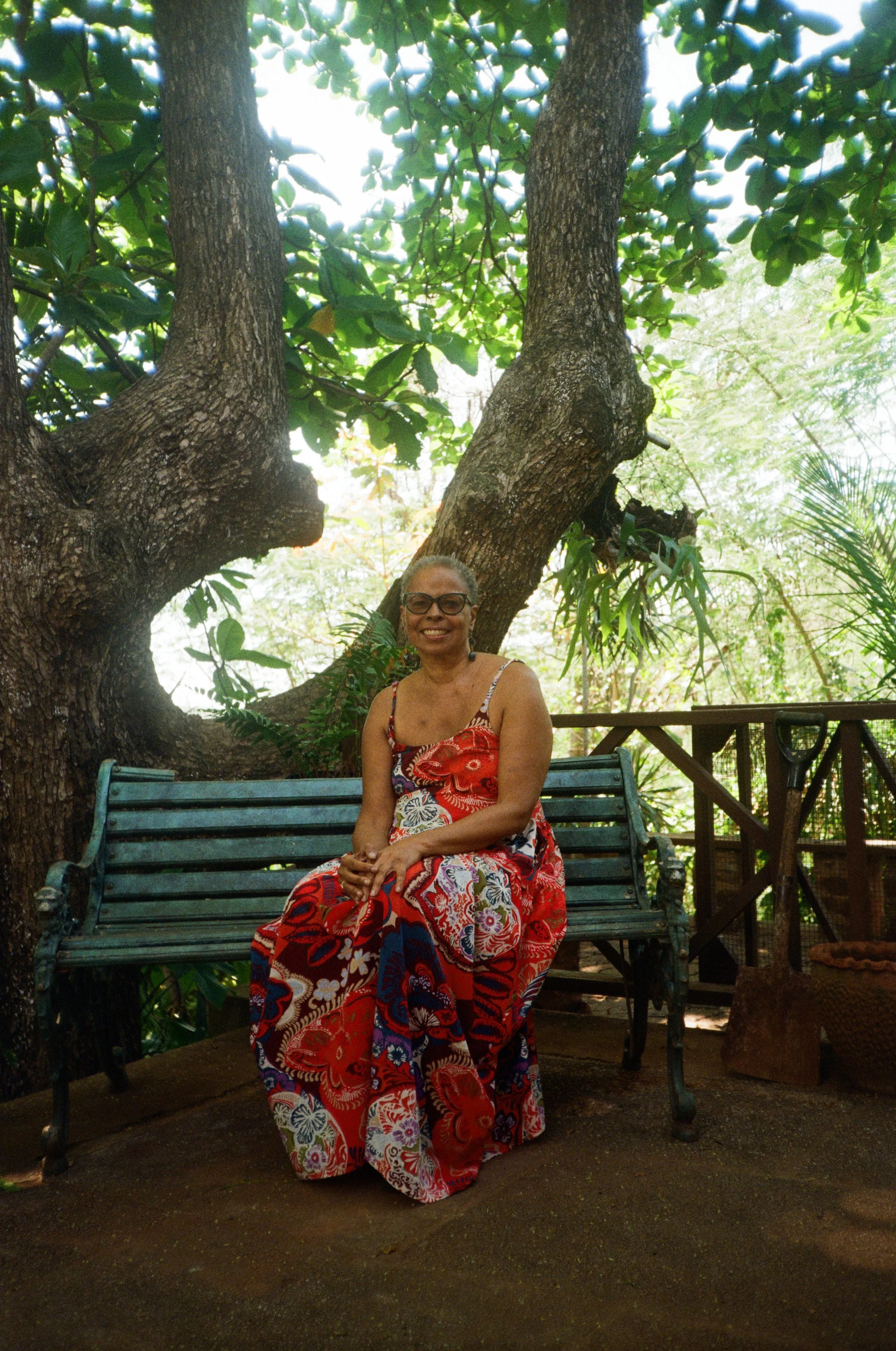
Kim Robinson is a Jamaican poet and editor. She has been the editor-in-chief of the Jamaica Journal since 2004
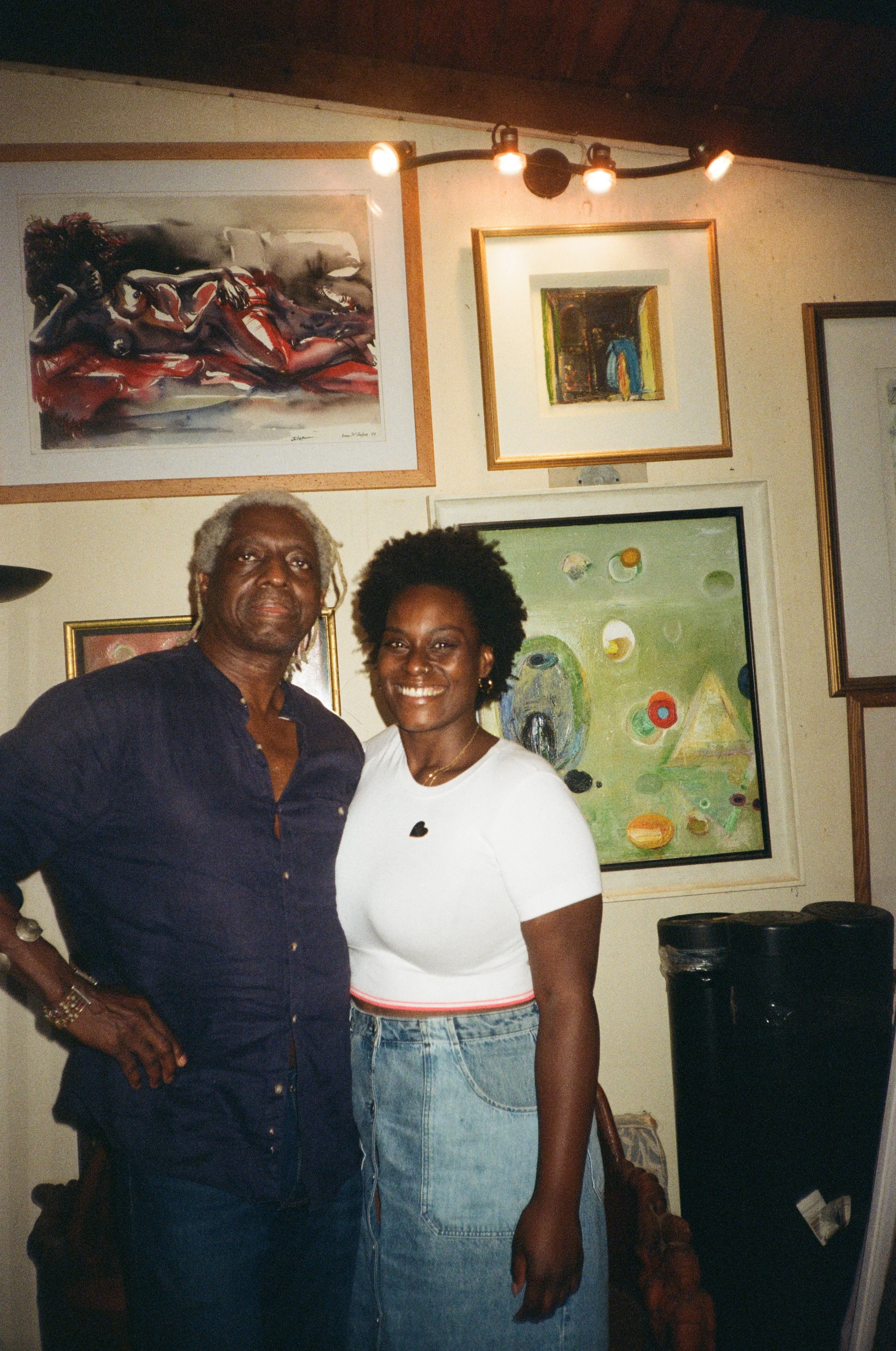
An artist and art educator, Professor Bryan McFarlane has lectured, painted and exhibited around the globe
Black British Artists on the web - WEB ARCHIVE PROJECT
Access Points: Oral History and …
As part of my year-long fellowship with Archiving The Black Web, I will be working to web-archive the work of Black British artists. Alongside the collecting process, I will conduct research that will support the contextualisation and interpretation of the collection through oral history interviews with artists about their creative practice and their use of the web.
“If we lost access to the internet today, how much of your art would be lost forever? If we lost access to the web today, how would you share your art with the world? What do you want to happen to your work when you die?”
- Introduction to Black British Artists on the Web: Becoming Archive
3. Institutions holding archives adopt a pro-active approach to access.
Archivists have a professional responsibility to promote access to archives. They communicate
information about archives through various means such as Internet and web-based publications,
printed materials, public programs, commercial media and educational and outreach activities. They
are continually alert to changing technologies of communication and use those that are available and
practical to promote the knowledge of archives. Archivists cooperate with other archives and
institutions in preparing location registers, guides, archival portals and gateways to assist users in
locating archives. They proactively provide access to the parts of their holdings that are of wide
interest to the public through print publication, digitization, postings on the institution’s website, or by
cooperation with external publication projects. Archivists consider user needs when determining how
the archives are published.
Principles of Access to Archives, Adopted by the International Council of Archives AGM on August 24, 2012